Search for: Frost & Sullivan Growth Opportunity NewsA collection of expert insights and industry news to help you accelerate growth. Empower Your Growth Journey!Explore the latest editions of Growth Opportunity Newsletters and get Frost & Sullivan’s best and newest content delivered weekly to your inbox. Sign Up Now Filter by Industry Filter by Industry Filter by IndustryNoneAerospace & DefenseChemicals, Materials & NutritionEconomic AnalyticsEnergy & EnvironmentHealthcareIndustrialInformation & Communications TechnologyInvestor TransformationManufacturingMobilitySecuritySupply Chain & LogisticsTechVision Transformation Gate Transformation Gate Transformation GateNoneTransformationEcosystemGrowth GeneratorGrowth OpportunitiesFrost RadarBest PracticesCompanies to Action Food Safety Testing Under Pressure: What It Means for Companies Serving the MarketJune 8, 2026-Kristina MenzefrickeStrait of Hormuz, Tariff Volatility, and Agentic AI: The New Supply Chain Operating RealityJune 5, 2026-Priyajeet SuranaTop Growth Opportunities in AI-native Cybersecurity and Autonomous Threat DefenseJune 5, 2026-Sneha NairAkzoNobel at a Strategic Crossroads: Choosing the Shape of Consolidation in the Global Coatings IndustryJune 5, 2026-Soundarya GowrishankarStudents to Commute in Smarter, Cleaner, and More Connected Vehicles: Here’s What’s Transforming the School Bus IndustryJune 4, 2026-Priyajeet SuranaAI in Healthcare (Part 1): From Productivity Tool to Core CapabilityJune 4, 2026-Nitin Manocha25 People, 21 Countries, One Platform: umob Leading the Mobility-as-a-Service Race in EuropeJune 4, 2026-Priyajeet SuranaWhy Enterprises Are Adopting AI-driven SIEM for SOC TransformationJune 3, 2026-Maria SelvamTransforming Healthcare Marketing Through AI, EHR Intelligence, and Platform InnovationJune 3, 2026-Sherin GeorgeAccelerating Ambient IoT Through Energy-harvesting Sensor InnovationJune 3, 2026-Sneha NairRising Electric Vehicle (EV) Adoption Set to Galvanize ASEAN Automotive Outlook in 2026June 2, 2026-Amrita ShettyIdentity Security in the Age of AI Agents and Autonomous Digital Ecosystems: A Conversation on AI-powered Authentication and Zero Trust ArchitecturesJune 1, 2026-Maria Selvam 123…245246Next » Browse by Category Aerospace & Defense Brand & Demand Chemicals, Materials & Nutrition Economic Analytics Energy & Environment Healthcare Industrial Information & Communications Technology Investor Transformation Mobility Security Transformational Growth Leadership
Food Safety Testing Under Pressure: What It Means for Companies Serving the MarketJune 8, 2026-Kristina Menzefricke
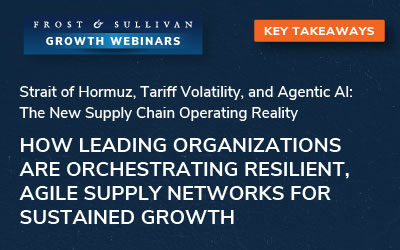
Strait of Hormuz, Tariff Volatility, and Agentic AI: The New Supply Chain Operating RealityJune 5, 2026-Priyajeet Surana
Top Growth Opportunities in AI-native Cybersecurity and Autonomous Threat DefenseJune 5, 2026-Sneha Nair
AkzoNobel at a Strategic Crossroads: Choosing the Shape of Consolidation in the Global Coatings IndustryJune 5, 2026-Soundarya Gowrishankar
Students to Commute in Smarter, Cleaner, and More Connected Vehicles: Here’s What’s Transforming the School Bus IndustryJune 4, 2026-Priyajeet Surana
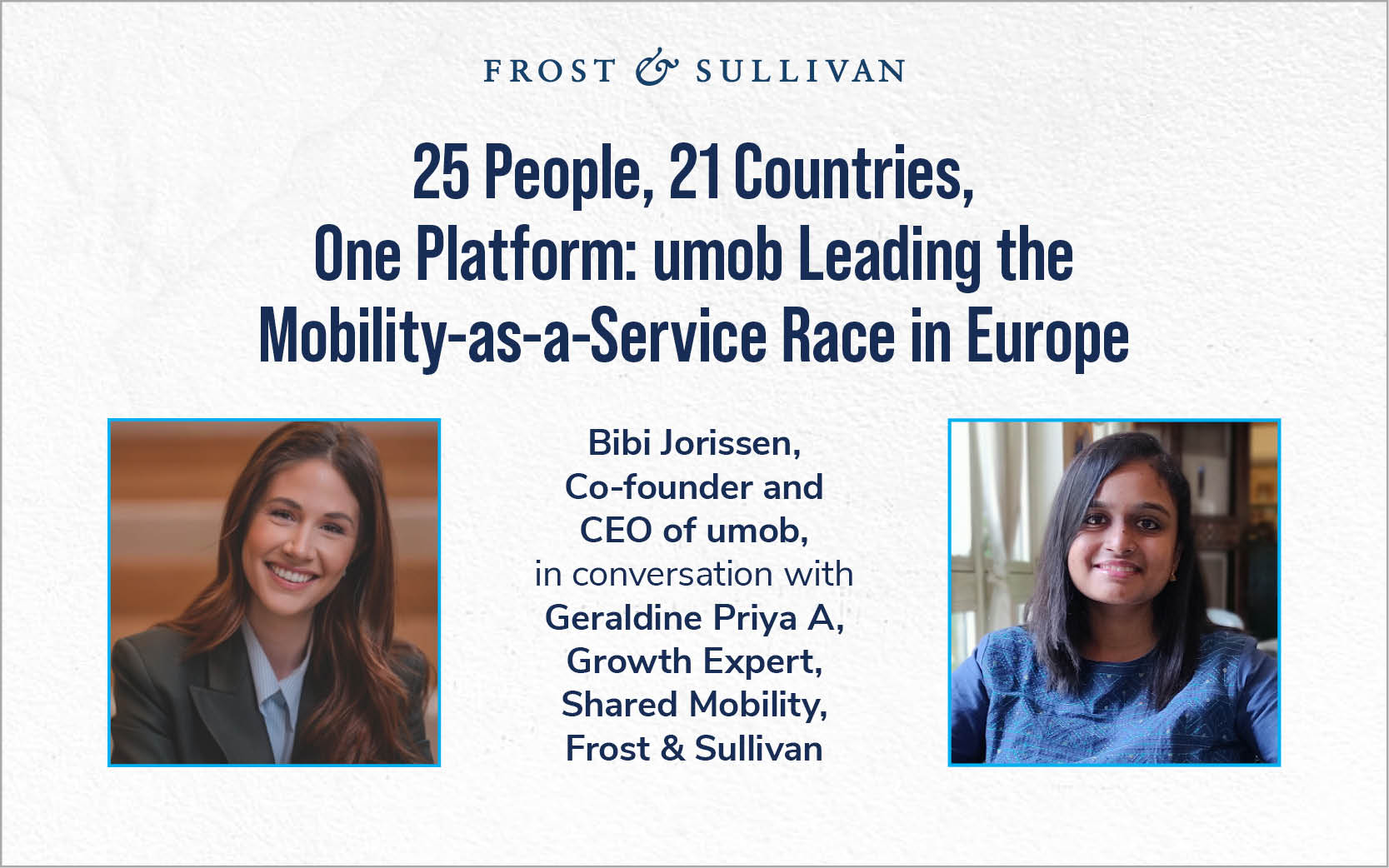
25 People, 21 Countries, One Platform: umob Leading the Mobility-as-a-Service Race in EuropeJune 4, 2026-Priyajeet Surana
Transforming Healthcare Marketing Through AI, EHR Intelligence, and Platform InnovationJune 3, 2026-Sherin George
Rising Electric Vehicle (EV) Adoption Set to Galvanize ASEAN Automotive Outlook in 2026June 2, 2026-Amrita Shetty
Identity Security in the Age of AI Agents and Autonomous Digital Ecosystems: A Conversation on AI-powered Authentication and Zero Trust ArchitecturesJune 1, 2026-Maria Selvam