Growth Opportunities in Continuous Health Monitoring Technologies: Predictive, Preventive, and Patient-centric Care
Healthcare delivery is shifting from reactive treatment to predictive and preventive care. Continuous health monitoring, powered by artificial intelligence (AI), sensors, and contactless systems, is driving this transformation. These technologies extend care beyond hospital walls, enable earlier disease detection, and reduce the risk of costly complications. The pandemic accelerated adoption, proving the value of remote monitoring and reshaping expectations among clinicians, patients, and payers.
Now, the demand for scalable, evidence-backed solutions is rising. From wearable and implantable devices to contactless monitoring platforms, innovations are converging with AI-driven analytics to provide real-time insights, reduce clinician burden, and unlock new reimbursement pathways. Challenges remain in bridging evidence gaps, aligning payment models with outcomes, and ensuring seamless integration into existing clinical workflows.
Growth Avenues Discussed in This Webinar
Bridging evidence and adoption: Building clinical validation to establish new standards of care
Outcome-based economics: Aligning reimbursement models with measurable patient impact
AI-powered insights: Turning unstructured monitoring data into actionable intelligence
Innovation frontiers: Energy harvesting, biodegradable implants, and contactless radar monitoring
What steps can your organization take today to align clinical, operational, and economic outcomes in this new paradigm of continuous monitoring?
Featured Experts
During this session, the following panelists shared their perspectives on continuous health monitoring, predictive analytics, and patient-centric innovation:
- Neeraj Nitin Jadhav – Senior Industry Analyst & Team Lead, Growth Opportunity Analytics, TechVision, Frost & Sullivan
- Ashish Kaul – Industry Analyst, Growth Opportunity Analytics, TechVision, Frost & Sullivan
- Isai Pratha Karthik – Senior Research Analyst, Growth Opportunity Analytics, TechVision, Frost & Sullivan
- Steve Xu – CEO, Sibel Health
- Venk Varadan – Co-founder & CEO, Nanowear
- James Mault, MD, FACS – Founder & Executive Chairman, BioIntelliSense
Transformative Viewpoints Discussed in the Session
- From Reactive Care to Preventive and Predictive Health Monitoring
Continuous health monitoring is redefining how patients are managed across hospital and home settings. These technologies provide uninterrupted streams of health data that transform care delivery.
- Traditional periodic vital checks left gaps that often delayed interventions.
- Continuous monitoring captures subtle changes in real time, enabling earlier detection of deterioration and reducing readmissions.
- The shift marks a clear move from reactive care toward preventive and personalized healthcare, lowering costs while improving patient outcomes.
How is your organization redesigning care pathways to shift from reactive, episodic monitoring to continuous, preventive, and patient-centric models?
- Evidence, Validation, and Reimbursement Models
Clinical evidence remains the cornerstone for long-term adoption of continuous health monitoring solutions.
- While early pilot programs and systematic reviews show promise in reducing mortality and Acute Kidney Injury (AKI), randomized clinical trials (RCTs) and real-world data are still required.
- Payers and providers are moving from fee-for-device toward outcome-based economics, rewarding measurable reductions in readmissions, and hospital stay, as well as improvement in long-term health.
- Companies must balance speed of innovation with the rigor of validation to gain trust from regulators and clinicians.
Which market segments offer the strongest near-term potential for continuous health monitoring solutions?
- Role of AI in Turning Data into Action
AI is the key enabler that converts overwhelming streams of patient data into actionable insights.
- AI filters noise, identifies anomalies, and predicts deterioration before it escalates.
- Risk stratification dashboards empower one clinician to manage hundreds of patients effectively.
- When combined with digital twin models, AI enhances personalized treatment pathways and supports population-level health management.
How will you leverage AI-driven predictive analytics and multi-sensor integration to create measurable improvements in outcomes and unlock new reimbursement opportunities?
- Emerging Technologies Driving Adoption
Breakthrough innovations are opening new growth frontiers in monitoring technologies.
- Self-charging wearables: Energy harvesting eliminates battery compliance barriers, ensuring uninterrupted monitoring.
- Biodegradable implants: Dissolvable sensors reduce infection risks and remove the need for surgical retrieval.
- Contactless radar monitoring: Frequency-modulated continuous waveform (FMCW) radar provides non-invasive monitoring, especially critical for fragile populations such as neonates.
- Multi-sensor convergence: Integration of cardiovascular, metabolic, and glucose data creates holistic views of patient health.
What steps can your team take today to ensure seamless integration of continuous monitoring technologies into existing clinical workflows and electronic health records (EHRs)?
- Challenges Hindering Widespread Scale
- Clinical Evidence Gap: Broad adoption hinges on large-scale trials proving outcomes across diverse populations.
- Workflow Integration: Lack of seamless connectivity with EHRs can overwhelm clinicians.
- Data Governance and Privacy: Rising reliance on continuous and AI-driven monitoring creates cybersecurity risks.
- Reimbursement Complexity: Preventive use cases face higher hurdles in establishing payment mechanisms compared to acute care.
 “The convergence of continuous monitoring and AI will make every clinician look like a genius. These tools give us the ability to act before deterioration occurs, not after.” – James Mault, MD, FACS, Founder & Executive Chairman, BioIntelliSense
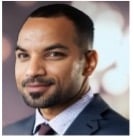 ““Continuous monitoring has moved well beyond episodic vitals. The opportunity now is to demonstrate measurable outcomes that justify reimbursement and build lasting clinical trust.” – Ashish Kaul, Industry Analyst, TechVision, Frost & Sullivan
Watch the full webinar and accelerate your health monitoring strategy today.
As continuous health monitoring technologies mature, the leaders will be those who embed AI, sensors, and patient-centric workflows into their care models from the start. The question is — How will you implement continuous monitoring solutions that deliver measurable improvements in patient outcomes, operational efficiency, and long-term healthcare value?
Click here to connect with Frost & Sullivan’s Medical Device & Imaging growth experts for tailored strategies, technology roadmaps, and best practices in predictive and preventive healthcare innovation.