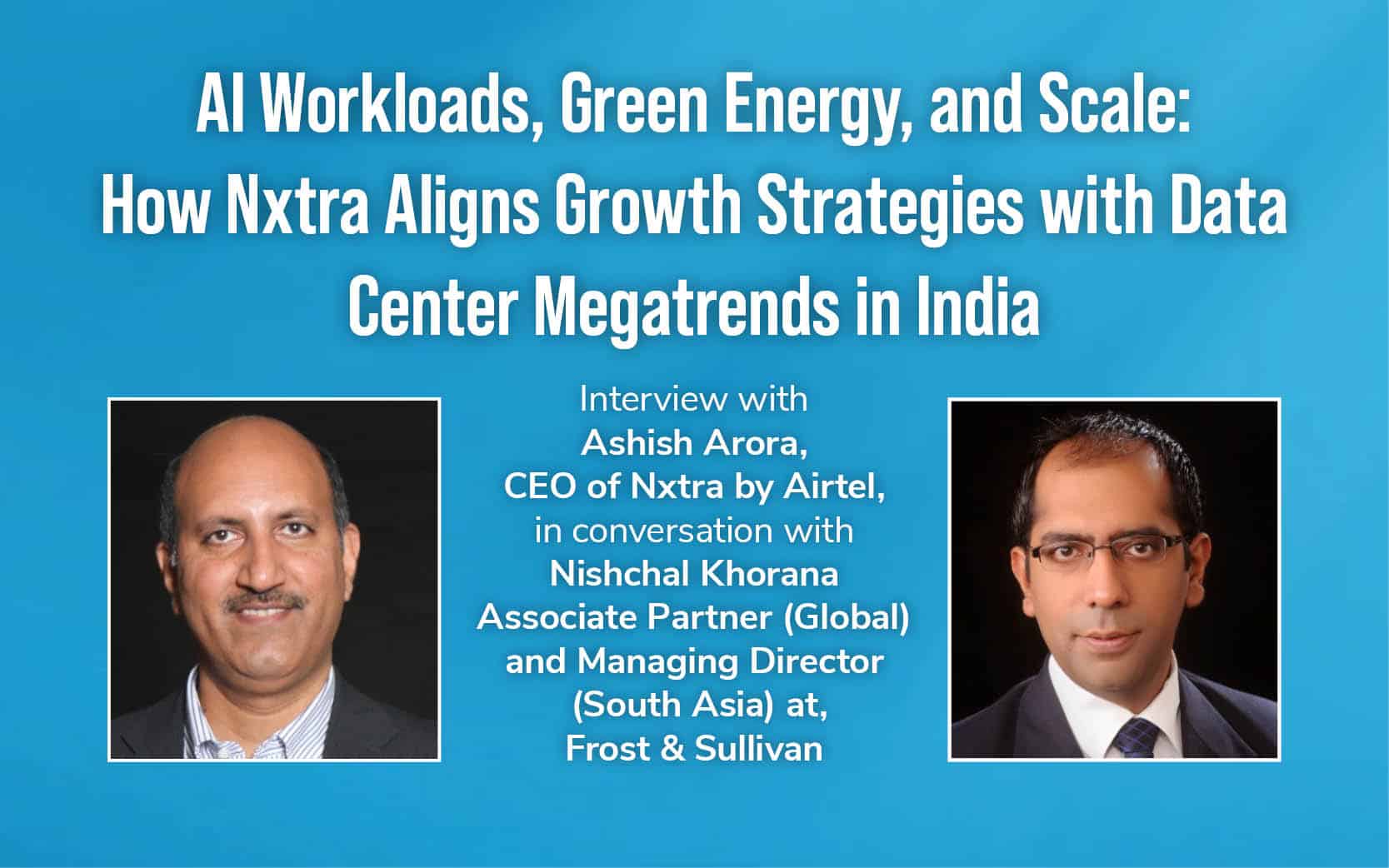
In this discussion, Nishchal Khorana, Associate Partner (Global) and Managing Director (South Asia) at Frost & Sullivan speaks with Ashish Arora, CEO at Nxtra by Airtel, about the rapid transformation underway in enterprise technology, cloud infrastructure, and data center ecosystems. The conversation examines India’s broader digital landscape, highlighting how AI is emerging as a revolutionary technology for enterprises. Alongside the rise of AI, this delves into new developments in digital infrastructure, the shift from traditional server rooms to hyperscale campuses, and the rigors of digital consumption.
With changing customer needs, providers are focusing on scaling facilities, advanced cooling technologies, and energy-efficient designs for GPU (Graphics Processing Unit)-intensive AI workloads. As the leader of Nxtra, a key data center services provider, Ashish shares how the company is making the most of this transformation through hyperscale expansion, sustainability-led infrastructure, and next-generation, AI-ready facilities.
Tech Transformation and Megatrends
Nishchal Khorana: With so much happening in the digital landscape, what transformative trends are you seeing in enterprise technology—not just in data centers, but across the entire tech ecosystem?
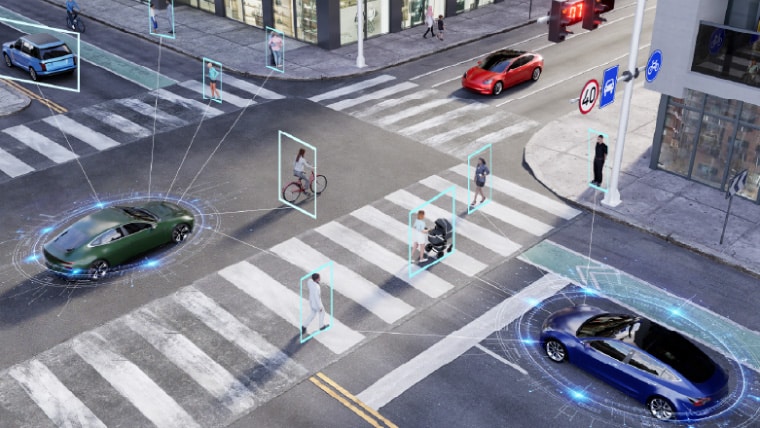
Ashish Arora: The most transformative technology is undoubtedly AI, but enterprise adoption is still in its infancy. Most organizations are running small-scale, peripheral experiments. They haven’t yet begun solving core business problems using AI, and that potential is tremendous.
Over the next 2–3 years, I expect progress as industry-specific AI models emerge and enterprises prioritize deeper integrations and model training. Every different industry and country comes with its nuances, so significant groundwork needs to be done for generating powerful AI insights.
The second piece is massive digitalization across industries. Even traditional brick-and-mortar sectors are now turning to digital channels. But enterprises haven’t entirely upgraded their infrastructure to match this change. They’ve simply used legacy systems and layered digital applications on top, increasing customer traffic without strengthening underlying foundations. The necessary upgrades—ensuring seamless availability, stronger resilience, and consistent performance across all geographies—are still missing.
Moreover, cybersecurity remains a work in progress as enterprises face greater exposure through external digital interfaces. CIOs must rethink their approach, shifting from traditionally protecting only the physical environment to building equally strong security on the digital side.
The megatrends that lie ahead are:
- AI will solve real business problems
- Adapting enterprise infrastructure for a digital-first world
- Ensuring end-to-end security in terms of access, peering, and connectivity
From Back Offices to Global Hubs: India’s Data Center Journey
Nishchal Khorana: Data centers are the backbone of digital infrastructure. How do you see the Indian data center industry evolving?
Ashish Arora : The Indian data center industry began as a back-office function. Companies built their own server rooms and gradually realized that not everything could stay on-premises, so they started placing workloads in third-party facilities. Most of this infrastructure sat close to corporate headquarters, where IT teams were based.
- This changed with the cloud era, as hyperscalers began building large CPU (Central Processing Unit)-based cloud infrastructure in India—a journey that is still ongoing.
- Then came AI, which demands a completely different capacity, both in terms of consumption and delivery. Over the next 3–4 years, India won’t just build infrastructure for domestic cloud and AI needs; it will increasingly serve global demands. Some hyperscalers are already doing this, and as this accelerates, data-center growth will become de-linked from the pace of India’s local cloud adoption.
- Third is India’s role in digital consumption and digital services. Outside China and USA, this is the biggest market for digital services; but many services are still fulfilled from outside the country. However, new investments from global hyperscalers are bringing that content into India. With growing cloud, GPU, and AI-based services, India is gearing up to multiply its data-center infrastructure in the next 5 years.
Nxtra’s Growth Focus: Partnerships, Green Energy, and Colocation Services
Nishchal Khorana: Given that demand is rising on multiple fronts—consumer digital adoption, enterprise needs driven by AI/cloud, and increasing global demand that India can potentially serve—this creates significant growth opportunities. What does that mean specifically for Nxtra?
Ashish Arora : For us, the biggest challenge now is scaling as quickly as possible. The good news is that our investments over the past few years have been structured to build highly scalable campuses, with foundational infrastructure like power already in place. Currently, we are aiming to quadruple our capacity over the next 3–4 years, achieving a significant scale-up across all projects.
We have established strong partnerships with all large hyperscalers and have a proven track record of delivering projects successfully and on time. Our operational capabilities are well tested, giving us the credibility to continue growing alongside these partners as we expand capacities. On the enterprise side, our presence, bolstered by Airtel’s brand and relationships, positions us to capture the lion’s share of enterprise workloads shifting from captive server rooms to co-location. Additionally, our group business is growing rapidly, supported by the adoption of 5G and other emerging technologies.
Over the past, we have laid the right foundation to boost growth. Our infrastructure is robust, with 70% green energy and another 200 MW of green projects underway. Our in-house design team enables end-to-end data center planning, incorporating best practices and ensuring timely project delivery. Combined with our strong network capabilities from legacy operations, these building blocks and proven track records give us the ability to effectively leverage the expanding demand and sustain high operational standards as we scale.
Maximizing Differentiation with Design-led Innovation, AI, and Best Practices
Nishchal Khorana: You mentioned several points — building scale, leveraging your firm’s broader group capabilities, and focusing on operational best practices. What other strategic levers will give you a competitive edge and what role does innovation play?
Ashish Arora : Innovation is extremely important—not just to stay cutting-edge today, but because the infrastructure we build will be used 3-4 years from now (and even later). We look ahead, anticipate future needs, and design accordingly.
Our in-house design team is a key differentiator. If we relied on the “here-and-now” approach from external designers, we’d lose continuity and best practices. Instead, our internal team tracks innovations in global regions, studies how those geographies build and operate, and adapts best practices to the Indian context. This helps us stay cutting edge in our design and operations.
A specific example is our adoption of AI for running data center operations. We are likely the first (and possibly the only) player in India to implement such a tool. This has been deployed in Chennai and is being rolled out across other facilities. The AI tool sits a layer above the BMS (Building Management System) and:
- Provides deeper insights into the entire operation
- Uses historical data points to identify the right areas for maintenance activity
- Manages equipment health more proactively
- Optimizes energy efficiency
Thus, we are embracing innovative technologies and co-creating new tools because the landscape is still developing. This ensures we stay ahead of the curve.
Nishchal Khorana: So it’s not only about enterprise AI adoption and supporting that with infrastructure, but also about using AI internally to deliver more value. Are there any specific areas where you see AI changing conventional operations at Nxtra?
Ashish Arora : When AI-based workloads are deployed in data centers, two major changes take place:
- First is energy consumption: GPUs consume a multifold quantum of power compared to CPUs, which makes efficiency critical. Technologies like direct-to-chip cooling improve energy efficiency, outperforming traditional air-cooled technologies. We are actively adopting such solutions across our data centers.
- Second is scaling power and integrating green energy: We are ensuring all our facilities have high-capacity substations that can scale as workloads grow. Our civil designs also prioritize higher densities, with floor loadings and layouts built to handle heavier, more power-hungry equipment.
The overall intent is to design today for what technologies will demand in the next 3 years—whether in capacity, workload density, or power consumption.
Being at the Heart of the AI Revolution
Nishchal Khorana: Interesting. It’s no longer just about keeping the lights on, but about the fundamental transformation of the data center industry itself. On a personal level, what excites you most about the future?
Ashish Arora : Expanding capacity in a short window while introducing multiple new technologies is demanding, but it’s also a positive challenge. Solving these problems leads to meaningful outcomes, which excites me a lot.
What makes it even more rewarding is the impact this infrastructure will have. We sit at the bottom of the value chain, but it’s critical infrastructure: on top of it sit GPUs, then LLMs (Large Language Models), and ultimately the AI applications people use. Being part of this chain, which will shape how AI is consumed globally for decades, is truly exciting.
Personally, I keep a close watch on AI, the use cases, and how implementation is evolving. We are still at a very early stage of a massive revolution. Consumer use cases are visible because individuals engage with tools like ChatGPT and immediately see the value. The business side hasn’t fully scaled yet, but I believe it will be dramatically larger and create far more economic value. And we will be at the heart of that transformation—which is a great feeling.
Closing Reflections: Growth Opportunities in the Next 5 Years
Nishchal Khorana: If we were to have this conversation five years from now, what are the predictions and growth opportunities you would share?
Ashish Arora : My prediction is that a lot of core decision-making will happen using AI. Today, we are only using AI for peripheral, customer-facing applications like Chatbots. However, key business decisions are still driven by human intellect and the ability to connect the dots. Going forward, AI will begin to play a much larger role. That shift will require a different level of intelligence, tools, and data, but I believe it’s inevitable.
For example, in the telecom industry, if AI can optimize networks down to the individual level, the impact on user experience, costs, and overall economics would be huge and highly disruptive.
Businesses that adopt AI faster will lead—just as digital-first companies once disrupted traditional brick-and-mortar models. Five years from now, the real divide will be AI-driven businesses versus non-AI businesses.
Nishchal Khorana: Thank you, Ashish, for sharing precious insights and giving us a glimpse into the future of AI, data centers, and digital transformation in India.
Ashish Arora
CEO at Nxtra by Airtel
A dynamic, entrepreneurial, and result-oriented leader with 20+ years of experience, leading large B2B business in the Telecom, data center, and IT industry. As the CEO of Nxtra by Airtel, Ashish is responsible for defining the business strategy for the company including building new hyper-scale data center parks, driving revenue and margin growth, and management of mission-critical infrastructure with best-in-class customer experience. In his previous roles, he has served as the CEO for Global Business, Enterprise Business, and Emerging Business at Airtel Business.
Nishchal Khorana is the Associate Partner and Managing Director (South Asia) at Frost & Sullivan. He has been a strategic advisor to ICT vendors, services providers, and industry/government bodies, specializing in growth strategy. He is a global business leader driving high-impact strategic initiatives across the digital ecosystem. Nishchal is passionate about supporting companies to achieve their strategic goals through effective growth strategies. He has been a speaker and panellist at several global industry events and is frequently quoted in media publications.
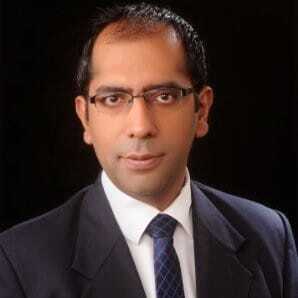
Nishchal Khorana
Associate Partner (Global) and Managing Director (South Asia) at Frost & Sullivan
How will you identify more growth strategies and best practices in data centers?
Frost & Sullivan’s Transformational Growth Leadership program provides the intelligence, best practices, growth opportunities, and expertise organizations need to thrive through the evolution of cloud, AI, and data center infrastructure.
Next steps on your growth journey:
✔️ Subscribe to our ICT Growth Opportunity Newsletter.
✔️ Join the Growth Council — an exclusive community for innovators.
✔️ Share your transformation journey with a global audience.
✔️ Engage with our ICT growth experts to explore latest growth opportunities, technologies, and megatrends.
Appendix
To know more about lucrative growth opportunities, emerging megatrends, companies to action, and best practices in AI, cloud, and data centers, view Frost & Sullivan’s detailed portfolio of exclusive analysis on the subject: