Emmanuel Wang, Vice President, Border & Travel, Identity & Biometrics Solutions, Thales, in conversation with Wayne Shaw, Director and Practice Area Leader, Aerospace & Defense, Frost & Sullivan.
As governments modernize border security, travel identity is shifting from document-led verification to connected, data-led decision-making. Agencies are under pressure to accelerate passenger movement, strengthen identity assurance, protect personal data, and maintain security across increasingly complex border environments.
In this Movers & Shakers conversation with Frost & Sullivan, Emmanuel Wang, Vice President, Border & Travel, Identity & Biometrics Solutions at Thales, discusses how digital identity, biometric authentication, artificial intelligence (AI), and system integration are reshaping border management. The discussion examines the shift toward passport-free travel, AI-enabled walk-throughs, trusted traveler processing, and interoperable border systems that can help governments deliver faster, safer, and more seamless travel without weakening privacy, ethics, or operational resilience.
“By responsibly harnessing advanced technologies like artificial intelligence and biometrics, we can build a future where borders are not barriers but gateways, making travel faster, safer, and more seamless for everyone.”
– Emmanuel Wang, Vice President, Border & Travel, Identity & Biometrics Solutions,Thales
Reframing Border Transformation Around Data, Identity, and Biometrics
Wayne Shaw: What three transformative trends are changing your industry?
Emmanuel Wang: I would say three major trends are shaping the future of border management.
The first is smarter data integration ahead of travel. This is becoming the norm as systems increasingly work together to digitally process traveler information before arrival. Initiatives such as the European Union’s interoperability framework and the United Kingdom’s Future Borders program are helping accelerate and streamline processing at eGates. Artificial intelligence plays an important role by analyzing data from multiple sources and enabling faster, more efficient decision-making before travelers reach the border.
The second trend is the move toward passport-free travel. Instead of relying only on passports, border systems are combining different data sources with biometrics. Initiatives such as the United States Traveler Verification Service show how automated identity checks can make border crossing more effortless.
The third trend is AI-powered, seamless walk-throughs. The latest innovations use artificial intelligence and biometrics to create gateless corridors. Examples such as Singapore’s Breeze-through and Saudi Arabia’s SmartPass show how travelers can move through border control without stopping.
Turning Border Complexity into a Growth Opportunity
Wayne Shaw: How are these trends creating new challenges and opportunities for your company?
Emmanuel Wang: These trends bring both opportunities and challenges for Thales, especially given our strong presence with systems such as Parafe in France, the EES in Spain, and upcoming eGate deployments in the United Kingdom.
With increasing demand for seamless, automated border processing, Thales can leverage its proven front-end solutions to expand into new markets and upgrade existing systems. Our expertise in integrating biometric and digital identity technologies puts us in a strong position to lead the shift toward passport-less and gateless crossings.
Artificial intelligence and advanced data processing also create opportunities for Thales to innovate further, making our solutions smarter and more adaptive. This can improve the traveler experience while enhancing security and strengthening our value proposition to governments focused on responsible and privacy-compliant technology.
As these systems become more complex, ensuring interoperability across different countries’ databases and legal frameworks requires continuous innovation and close collaboration with authorities.
Compliance with evolving regulations around AI ethics, data protection, and sustainability also demands that we carefully balance advanced automation with responsible technology deployment.
Finally, upgrading existing installations without disruption and managing diverse traveler data sources will require agile project management and robust system design.
Building Full-stack Leadership in Border Management
Wayne Shaw: What are your big aspirational growth goals for the company? Where will your company be in five years?
Emmanuel Wang: Over the next few years, we want to position Thales as the go-to system integrator for border management solutions. This means not just delivering components, but owning the full stack from backend processing to front-end eGates and solving real-world problems for our customers.
One of our biggest strengths is that we are already a leader in biometrics, identity solutions, and cybersecurity. We are not just integrating technologies. We develop and own them, which means we can create seamless, highly secure, and reliable border control platforms.
For governments and agencies, this means they can trust us to deliver solutions that are efficient, scalable, and designed with privacy and security first. We also support them with strong service during deployment and day-to-day operations, which is an important part of being seen as reliable and customer-focused.
We also see artificial intelligence and digital identity as major opportunities. We are leveraging artificial intelligence and advanced biometrics to create more seamless and often gateless crossings. Importantly, we are doing this responsibly by ensuring ethical data use and compliance with global regulations. It is about balancing innovation with trust.
We want to remain the trusted leader in global border solutions, powering safer, smarter, and smoother travel experiences worldwide. With our expertise in biometrics, identity, cybersecurity, and system integration, we are confident we can get there.
Positioning Thales as a Reliable Border Transformation Partner
Wayne Shaw: How do you want your customers to view your company? What kind of brand position do you seek? In what markets do you seek leadership?
Emmanuel Wang: Thales wants to be recognized by its customers as a reliable and trusted partner. We want to be seen as a company they can depend on to deliver solutions seamlessly and efficiently. Reliability is at the core of our brand, especially given the critical nature of border security and identity management.
We prioritize building strong, long-lasting relationships with our customers, grounded in trust and a deep understanding of their specific needs. Alongside this, we maintain a service-oriented approach, ensuring exceptional support throughout every stage, from initial deployment to ongoing operations.
A key differentiator for Thales is our exceptional integration capability. We bring together complex technologies into unified, easy-to-use solutions by integrating our own advanced products and platforms with other systems. This comprehensive integration strengthens our position as a full-scope solution provider capable of addressing the diverse challenges customers face.
Thales aims to lead the global border management and identity verification markets, expanding our footprint beyond Europe to new regions worldwide. Our leadership focus spans the entire border security ecosystem, from backend processing and cybersecurity to front-end systems such as eGates and biometric onboarding.
Applying Responsible AI to Border Identity Verification
Wayne Shaw: How are you leveraging AI in your company? What are the primary use cases? Do you consider AI a savior or a curse?
Emmanuel Wang: At Thales, we are harnessing artificial intelligence to make border management smarter and more efficient. For example, artificial intelligence helps improve biometric recognition so facial scans and fingerprint checks can happen faster and with much greater accuracy. This helps travelers move through border processes more quickly without compromising security.
Our integration of document verification employs AI-driven automation to identify documents, locate text, and authenticate graphical elements seamlessly.
In our border solutions, including eGates, kiosks, and multimodal biometric systems, we use AI-based engines to perform advanced liveness detection and biometric matching. This supports secure and reliable identity verification.
For person detection at automated border control eGates, AI-enabled sensor fusion combines infrared and video analytics to ensure single-person passage. It accurately detects individuals, distinguishes them from objects, and identifies tailgating attempts.
That said, we do not see artificial intelligence as a magic fix or a cure-all. It is a powerful tool, but it has to be used carefully. At Thales, we are committed to responsible AI, which means we follow strict ethical guidelines, protect data privacy, and stay transparent about how AI is used. This balance is essential because it is not just about innovation, but also about building trust with the people and governments we work with.
Thales has been strategically committed to artificial intelligence for a decade, and we will continue this commitment into the next decade and beyond. We have the largest team in Europe dedicated to AI for critical systems, with more than 800 AI experts, AI Centers of Excellence across three continents, and we are the leading European patent applicant in the field.
Balancing Border Innovation with Privacy, Ethics, and Trust
Wayne Shaw: At a personal level, what excites you most about the future? What keeps you up at night worried about the future?
Emmanuel Wang: What excites me most about the future is the potential to create safer countries while making travel faster and more seamless. I am inspired by how advanced technology, including artificial intelligence and biometrics, can come together to improve border security without making the traveler experience cumbersome.
When cutting-edge innovation meets real human needs, we have the opportunity to transform how people connect across borders in a way that feels simple, respectful, and secure.
At the same time, what keeps me up at night is the challenge of balancing this technological progress with privacy, ethics, and trust. As we rely more on advanced technology, ensuring that data is protected, misuse is prevented, and people’s rights are respected is critical. The future holds incredible promise, but it also demands constant vigilance to make sure innovation truly benefits everyone without unintended consequences.
Another important perspective is the challenge of delivering these complex projects in partnership with our customers. It is not just about selling the dream of advanced technology. It is about working closely with our clients to turn that vision into reality. Despite the complexities and hurdles inherent in such large-scale programs, our focus remains on meeting their goals and ensuring successful implementation. This collaborative approach is essential to achieving meaningful results and lasting impact.
Embedding Trust into Border and Identity Technology
Wayne Shaw: How would you describe the company’s culture? How does this culture influence your company’s success today and in the future?
Emmanuel Wang: A central part of Thales’ culture is reflected in our brand promise, “Building a future we can all trust.” It is not just a slogan or a tagline, but a commitment across every aspect of our business.
As a global leader in defense, aerospace, cyber, and digital technology, Thales plays a pivotal role in developing solutions that help address major societal and environmental challenges. This includes ensuring that everyone has a trusted identity, using biometric data ethically and responsibly, and actively reducing our carbon footprint to help create a better world for future generations.
This commitment affects our everyday lives and the lives of citizens around the world. It also assures the organizations and governments we support that Thales is helping them address the challenges of today and tomorrow in everything we do.
Redefining Border Management Through Trusted Traveler Profiles
Wayne Shaw: Give me one prediction that will transform your industry in the next five years.
Emmanuel Wang: One major transformation we foresee in the next five years is the widespread implementation of advanced border transformation programs by many countries. These programs will collect and analyze traveler data well in advance of the journey, allowing authorities to establish a comprehensive, sovereign database of known and trusted travelers.
From the very first encounter at the border, biometrics such as facial recognition will be captured and linked to this historical profile. This will enable governments to process travelers seamlessly and securely, often without the need for traditional passports, through fully automated and potentially gateless corridors.
The result will be a faster, more secure, and much smoother travel experience that redefines border management as we know it.
Turning Borders into Secure Gateways for Global Travel
Wayne Shaw: What is the one big message you want to give to the world?
Emmanuel Wang: By responsibly harnessing advanced technologies like artificial intelligence and biometrics, we can build a future where borders are not barriers but gateways, making travel faster, safer, and more seamless for everyone.
When innovation is guided by trust, ethics, and a deep understanding of people’s needs, we unlock incredible opportunities to connect the world securely and respectfully.
The future is bright, and together, we can create border experiences that protect and empower us all.
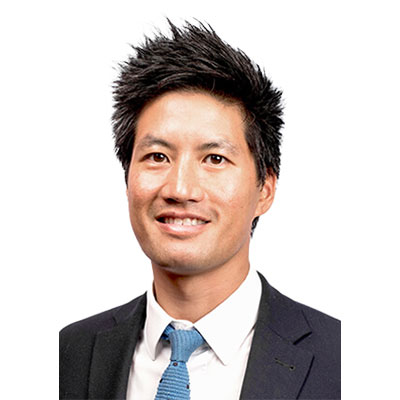
Vice President, Border & Travel, Identity & Biometrics Solutions, Thales
Emmanuel Wang leads the Border & Travel business within Thales’ Identity & Biometric Solutions business line. His work focuses on border management, digital identity, biometric verification, and secure traveler processing, supporting government and airport stakeholders as they modernize border operations for faster, safer, and more trusted travel.
At Thales, he is closely involved in advancing solutions that connect front-end border systems, eGates, biometric onboarding, identity verification, and cybersecurity. His perspective brings together operational border requirements, technology integration, responsible artificial intelligence, and the growing need for privacy-compliant digital identity systems across global travel ecosystems.
Wayne L. Shaw III is Director and Practice Area Leader for Aerospace & Defense at Frost & Sullivan. As a growth expert, he works across aerospace, defense, and security transformation themes, supporting executive conversations around defense modernization, emerging technologies, operational readiness, and industry growth opportunities.
His recent Frost & Sullivan engagements include thought leadership across areas such as naval maintenance, repair, and overhaul, drone warfare, electronic warfare, spectrum management, artificial intelligence, and defense technology transformation. Wayne brings a practitioner-informed perspective to conversations with industry leaders, combining market research, defense domain knowledge, and strategic analysis to examine how technology, security priorities, and customer requirements are reshaping the aerospace and defense ecosystem.
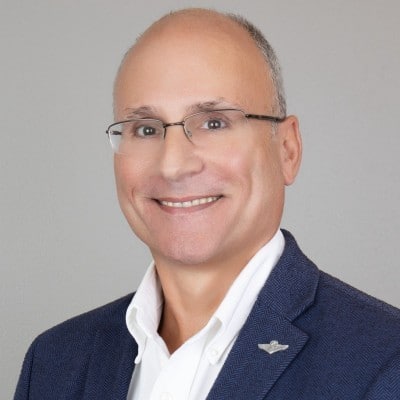
Director and Practice Area Leader, Aerospace & Defense, Frost & Sullivan
Ready to Lead the Transformation?
- Book a Growth Strategy Session: Align your growth roadmap with Frost & Sullivan’s visionary Growth Pipeline™ Dialog.
- Engage with Growth Experts: Co-design AI-enabled, data-driven operating models that scale industry-specific and commercial impact.
- Share Your Transformation Story: Position your organization as a transformation leader through Frost & Sullivan’s Transformational Growth Leadership platform.
- Join the Growth Council: Collaborate with industry leaders shaping the future of your ecosystem.
- Nominate for the Best Practices Recognition: Be recognized for excellence in growth strategy, execution, and customer impact.
- Demonstrate Industry Positioning on the Frost Radar™: Benchmark your growth performance and innovation strength against industry competitors.
- Activate Brand & Demand Growth: Accelerate awareness, engagement, and revenue growth through integrated brand and demand generation strategies.
Annexure: Advancing Trusted Border and Identity Infrastructure
As border security modernizes, governments are shifting toward digital identity, biometric verification, artificial intelligence (AI), and trusted traveler processing to improve speed, security, and privacy.
To support organizations navigating this shift, Frost & Sullivan provides forward-looking intelligence across digital identity, border security, and airport innovation:
📌 Frost Radar™: Digital Identity, 2026
📌 Border Security Solutions Sector, Global, 2024–2028
📌 Technological Innovations Transforming Airports, Global, 2025–2035
Together, these analyses reinforce the themes explored in this Movers & Shakers conversation: trusted digital identity, responsible AI, biometric authentication, border modernization, and seamless travel.