Ranjit Singh, Founder & CEO, Amden Capital Sdn Bhd, in conversation with Kiranjit Kaur, Vice President, Frost & Sullivan
Download this Transformational Growth Leadership Discussion with Ranjit Singh
Healthcare affordability is becoming an increasingly complex challenge in Malaysia. As insurance coverage narrows, co-payments and exclusions increase, employer-provided benefits shrink, and medical costs continue to climb, patients can find themselves facing a difficult gap: they may need treatment but not necessarily have the cash immediately available to pay for it.
For Ranjit Singh, Founder and CEO of Amden Capital, the company’s experience in consumer financing brought this gap into sharper focus. Amden had been involved in consumer financing since 2004, and between 2013 and 2014 it began seeing more applications related to healthcare, initially for procedures viewed as cosmetic. By 2017 and 2018, insurers had begun imposing co-payment requirements, making the affordability gap harder to ignore. This led Amden to launch its dedicated healthcare financing product in 2020, with its first disbursements following in 2021, after the disruption caused by COVID-19.
In a conversation with Frost & Sullivan, Ranjit shared his vision for Amden: not to replace insurance or public healthcare, but to complement them within a more coordinated, layered healthcare financing ecosystem, in which responsibility is shared among policymakers, insurers, healthcare providers, employers and individuals. He described in particular the exposure facing Malaysia’s M40 and T20 households, a group he calls the “sandwiched segment”: people who may look financially comfortable on paper, yet have little disposable cash left once a major medical bill arrives.
“When someone falls sick, there shouldn’t be excessive worry of how I finance this. Affordability should never be the reason someone delays or abandons treatment. The response should be as immediate as the need: seamless, timely, and there the moment it matters.”
— Ranjit Singh, Founder & CEO, Amden Capital Sdn Bhd
Recognizing the Healthcare Affordability Gap
Kiranjit Kaur: Amden Capital did not begin as a dedicated healthcare financing company. What did you see in the market that made you realise healthcare affordability was becoming an issue?
Ranjit Singh: We had been involved in consumer financing since 2004. In 2013 and 2014, we started seeing more applications related to healthcare, although at that point they were mainly for procedures viewed as cosmetic, such as aesthetics and plastic surgery procedures. Then, in 2017 and 2018, we observed insurance companies beginning to impose co-payment requirements. That was when I realised the affordability gap was becoming increasingly prevalent, and it confirmed that being insured would not always remove the need for immediate cash.
We researched the trend in Malaysia and regionally, and in 2020 we launched our healthcare financing product. Then COVID came, so we had to wait for a while. Our first disbursements followed in 2021.
Kiranjit Kaur: What was it about those early cases that made the gap particularly clear to you?
Ranjit Singh: There were patients who wanted to proceed with treatment but faced co-payment issues, or procedures that were not covered by insurance at all.
Post-mastectomy reconstruction is one example. At that point, policies did not cover the reconstruction because it was deemed cosmetic. A pacemaker placement was another. These are procedures we see as a genuine need, even though they may not always be covered under the traditional definition of medical necessity.
What we saw most clearly was families using credit cards, drawing down savings, borrowing from relatives, or simply delaying treatment because they could not meet the immediate cost. Many of them were asset-rich but cash poor. That was one of the things that made us realise there was a real gap that needed to be addressed.
Kiranjit Kaur: How has your own understanding of healthcare affordability changed since then?
Ranjit Singh: It has broadened considerably. Healthcare access is not simply the availability of a doctor, a hospital bed or a treatment; true access also requires a realistic financial pathway at the time care is needed. Our role is to provide that pathway where the treatment is appropriate, and the repayment is genuinely affordable. We complement insurance, savings, employer benefits and public healthcare; we do not replace them.
When Healthcare Need Meets Financial Reality
Kiranjit Kaur: How has the healthcare financing landscape changed since you entered the market? And what have you learned about the gap between needing treatment and being financially able to proceed?
Ranjit Singh: The landscape has become more complex, especially since COVID. Medical inflation has accelerated, premiums have increased, and patients are more exposed to co-payments, exclusions, narrower benefits and changes in panel arrangements. Employer healthcare limits are also under pressure.
Dedicated healthcare financing is still relatively new in the region. There are financial and non-financial institutions offering medical loans, but our focus is specifically on healthcare. Payment can no longer be viewed as a straight choice between insurance and cash; patients increasingly need a layered combination of insurance, public healthcare, employer support, savings and responsible financing.
Needing treatment and being financially able to proceed with it are two different things. Malaysia has capable specialists and established facilities, but the obstacle often appears right after diagnosis, when the treatment plan and its cost are presented together. A patient may have income, and even insurance, and still lack the immediate liquidity to begin treatment. A lot of the people we serve are in the M40 and T20 segments. They may have assets, but the availability of cash is not always there, since their money can be tied up in houses or other assets. So, a lot of them are established but cash poor.
Kiranjit Kaur: And what happens when treatment is delayed because those funds aren’t immediately available?
Ranjit Singh: Take bariatric surgery as an example. Someone who is morbidly obese may start with diabetes and then develop heart or kidney problems.
If the surgery is delayed, the condition can become more complicated, recovery is extended, and treatment ultimately becomes more expensive. So, the impact of delaying treatment isn’t only clinical; it stresses the entire family and household, financially and emotionally.
Kiranjit Kaur: What are the most common financial barriers patients face, even when they have insurance?
Ranjit Singh: Co-payments, deductibles, exclusions, annual limits, waiting periods, non-covered procedures and pay-and-claim arrangements. Employer benefits may meet only part of a major procedure, while parents and other dependants may not be covered at all. The problem is often not the absence of all resources; it’s the uncovered balance, and the need to pay it immediately.
The Affordability Challenge Facing the M40 and T20
Kiranjit Kaur: Which patient segments are experiencing this gap most clearly? And why do you think the M40 and T20 are often misunderstood?
Ranjit Singh: The B40 segment is well covered by the government, with a lot of benefits available to them. The segments we see needing the most assistance are the M40 and the T6 to T20, what I call the ‘sandwiched segment’. They may appear financially comfortable on paper, but be much less resilient in practice. A household may have a respectable income while carrying a home loan, vehicle commitments, children’s education, ageing parents, insurance premiums and ordinary living costs. Income is not the same as disposable cash, and one major medical event can expose how fragile that position really is.
They come to us for a wide range of treatments, including bariatric procedures, maternity, fertility, stent placements, and other treatments. They may also come on behalf of their parents or children when employee benefits don’t cover them.
There are also procedures that people may think of as elective but that are very important to the individual. For example, post-mastectomy reconstruction may be classified as cosmetic, but if you ask a woman who has gone through a mastectomy, she may say, “I want to feel whole again.”
Over the last four years, this has also been a learning process for us. We have learned more about what patients consider a need and what healthcare procedures mean to them.
Kiranjit Kaur: What is the biggest misconception about these households?
Ranjit Singh: The misconception is that a good salary automatically means financial security. Someone earning RM8,000, RM12,000 or even RM15,000 a month may look perfectly fine on paper: they may have a good household, drive nice cars and dress well, but if you look at their disposable income after commitments, there is not very much left.
One emergency can cause panic. A child may need to be admitted, and the treatment may not be covered by insurance. Or a parent may have a fall, suffer a hip fracture, and require surgery costing RM50,000 or RM60,000. That is the segment we see.
Medical inflation has made the situation more difficult. Insurance premiums have increased, and employee healthcare benefits have been reduced. Benefits that were once RM50,000 a year may now be RM25,000 or RM20,000, and coverage for children or spouses may also have changed.
Kiranjit Kaur: Why do you call this the ‘sandwiched’ segment specifically?
Ranjit Singh: Because the pressure comes from both directions. These households are supporting their children, while increasingly also helping parents who are living longer and need more care. At the same time, they may lose their own employer-linked protection through retirement, retrenchment or a job change. That’s exposure on both sides: it isn’t just an income category, it describes the pressure within the household itself.
The costs with the greatest impact tend to be the ones that arise suddenly, are only partly insured, or involve a family member outside the applicant’s own coverage. A RM30,000 or RM50,000 bill is significant even for a professional household. There isn’t one product that solves this; it needs layered solutions: meaningful insurance, personal preparation, employer support, transparent pricing from providers, and responsible financing for the affordable shortfall.
Kiranjit Kaur: So where does the biggest gap sit within the broader healthcare financing system?
Ranjit Singh: The largest gap sits between public provision, private insurance, and out-of-pocket payment.
Many middle-income households fall between these layers. They may not qualify for substantial government assistance, insurance may not cover the treatment, and employer health benefits may have been reduced. That is where we see the gap, and policy should be strengthening the connections between these layers rather than treating each one as a separate silo.
Preparing for Healthcare Beyond Employment
Kiranjit Kaur: Many Malaysians rely on employer-provided medical insurance. What happens when they leave the workforce, particularly as healthcare needs increase with age?
Ranjit Singh: It is a very serious and still underestimated issue. Employer medical coverage is attached to employment, and normally ends when someone retires, resigns or loses their job, often exactly when their healthcare needs are rising. Obtaining new protection later in life can be expensive or restricted.
The financial burden then frequently moves to their adult children, who are often already supporting their own households. As Malaysia’s population ages and family sizes shrink, there may be fewer working children available to support each parent, so this pressure is only going to grow.
Kiranjit Kaur: What could Malaysia do to prepare for that transition?
Ranjit Singh: One thing we could look at is the portability of insurance. If someone is healthy at 60 and retires, there could be a mechanism for them to convert their employer-linked coverage into personal insurance without facing a significantly higher premium simply because they have left employment. How that would be structured needs to be worked out, but it is something the insurance industry and government could explore together.
The other part is affordability planning before retirement, not after a diagnosis. People need to think about how they make their money work for them, and whether they can set aside funds specifically for healthcare.
Kiranjit Kaur: Amden offers what you describe as multi-generational healthcare financing, where an adult child can apply for financing to cover a parent’s treatment. How does that model work?
Ranjit Singh: An adult child may apply for financing for an eligible parent’s treatment. We assess the child’s income, employment stability, existing commitments and ability to repay, and when approved, payment is made directly to the provider for the parent’s treatment. It is purpose-specific: approval is based on the applicant, but the disbursement is tied to the parent’s treatment.
This addresses genuine needs where a parent has no insurance, insufficient coverage, or simply does not have the immediate liquidity: things like total knee replacements, hip fractures or stent placements. These are generally needs-based procedures, and they can be expensive, so we always look at affordability and the cost of treatment, and in some cases we work with surgeons to arrange discounted rates. We are seeing more younger people take on this responsibility as they become more aware of what we offer, and the take-up rate has increased.
Kiranjit Kaur: Are Malaysian families effectively becoming the “new insurers” for their elderly parents?
Ranjit Singh: In practical terms, yes: families are becoming an informal, additional layer of healthcare protection. When a parent is uninsured or underinsured, adult children often end up funding the treatment directly. That instinct to help is natural, but without a structured plan, it can simply transfer a major medical shock from the parent to the child’s household. That is exactly the gap our multi-generational model is designed to bridge: a structured pathway instead of forcing a family to exhaust emergency savings or take on expensive, unstructured debt.
Financing Built Around the Treatment
Kiranjit Kaur: How is Amden’s model different from conventional financing, and how do you make sure the financing is appropriate for the treatment and the patient?
Ranjit Singh: What we offer is structured, purpose-based financing tied to the medical treatment itself, what we call need-based financing. We tailor it according to the treatment required.
We also help patients understand the cost side of their treatment. Because we work across many hospitals and specialties, we have visibility into the general cost range for distinct types of procedures- so if a patient wants to understand what a treatment might cost, or how costs vary across providers, we can help with that context. To be clear, the actual treatment decision – what procedure is right for the patient – is entirely between the patient and their doctor. Our role is limited to the financing side.
The financing is also paid directly to the hospital rather than to the patient. That provides assurance that the money is being used for the intended purpose.
Kiranjit Kaur: How do you balance improving access with making sure financing does not become another burden for the patient?
Ranjit Singh: A genuine medical need does not automatically mean an application should be approved. The proposed financing has to be realistically affordable. The instalments should not become another burden on the client or patient.
We look at income documentation, bank statements, credit scores, family commitments, cash-burn analysis, and spending habits. We also look at the difference between needs and wants. Beyond the credit score, the real question is whether the monthly instalment remains sustainable once someone’s genuine living obligations have been accounted for.
Our repayment period can extend to five years, although we encourage customers to keep it to no more than three years. There is no penalty for early settlement; in fact, we encourage it because there is a rebate for early settlement.
Kiranjit Kaur: What does being “patient-centric” mean in practice, given that you sometimes have to decline applications?
Ranjit Singh: It does not mean saying yes indiscriminately. It means treating urgency with dignity, assessing every case fairly, and explaining the cost and terms clearly, without pressure. Where appropriate, a smaller facility or a different tenure may serve a patient better than the maximum amount they have asked for.
Sometimes the most responsible decision is to decline an application. That is difficult, but approving something unaffordable would not be patient-centric either. Affordable facilities are also more likely to be repaid, which means we can keep supporting future patients without weakening our standards.
Understanding the Forces Behind Medical Inflation
Kiranjit Kaur: Medical costs and insurance premiums have been rising. What do you see as the main forces behind medical inflation in Malaysia?
Ranjit Singh: It is a global issue, with both external and domestic factors. Geopolitical conflicts, pandemics, global financial disruption, supply-chain interruptions and currency depreciation all play a part. Malaysia imports a significant proportion of its medicines, medical devices and specialised technology, so developments beyond our control translate directly into higher healthcare costs.
Domestically, it is driven by an ageing population, the growing burden of chronic disease, higher utilisation of healthcare services, specialised workforce costs, hospital operating expenses, and the adoption of advanced treatments and technology. It reflects the interaction between global economic pressures, domestic conditions and structural changes in healthcare demand, and it would be unfair, and unproductive, to place the responsibility entirely on hospitals, doctors, insurers or patients.
Kiranjit Kaur: How do technology, demographics and utilisation each contribute?
Ranjit Singh: Demographics are the clearest factor. Malaysia is an ageing nation, and older patients generally need more frequent diagnosis, treatment and long-term management. There is only so much public hospitals can absorb, so that adds pressure as well.
Technology is more nuanced. It does not necessarily increase medical inflation: faster, more accurate diagnostics can reduce repeated testing and catch conditions earlier, when they are often less costly to manage. The real issue is utilisation: even when technology brings down the cost of an individual test or treatment, total healthcare spending can keep rising simply because more people are using healthcare services, more often, over longer periods.
Kiranjit Kaur: Are there examples outside healthcare that Malaysia could learn from when it comes to improving efficiency?
Ranjit Singh: One country I would point to is Japan. The Japanese healthcare sector looked beyond healthcare itself. They identified bottlenecks in hospitals and brought in people from the airline industry because airlines need to have a very good flow of people. They brought that external expertise into hospitals to see how processes could be improved.
I think that is something our healthcare fraternity can look at: not necessarily copying another country’s system, but learning from what works elsewhere, in aviation, logistics or hospitality, and adapting what is relevant to Malaysia while preserving the strengths we already have.
Beyond Insurance: Building a Shared Financing Ecosystem
Kiranjit Kaur: If insurance remains essential but does not cover every healthcare need, how should the broader financing ecosystem evolve?
Ranjit Singh: Insurance is essential. But it was never designed to fund every healthcare expense for every person. Over-dependence on one particular product can create problems, through claims, premium increases, co-payments and narrower coverage. A more diversified environment gives patients legitimate alternatives, while letting insurance preserve its core role of protecting against significant risk.
That is where we come in. We complement insurance. We are not here to replace it. We also complement public healthcare.
Kiranjit Kaur: What adjustments do you think the insurance industry itself needs to make?
Ranjit Singh: I believe a greater level of co-sharing or co-payment should be considered, properly structured. It encourages cost awareness and shared responsibility between policyholders, providers and insurers, and it can help premium increases stay more gradual and sustainable. Where the co-payment is substantial, responsible healthcare financing can help spread that cost over a manageable period instead of requiring the full amount upfront.
That gives you a model where insurance covers the principal risk, the policyholder takes a reasonable share, and financing addresses the genuine affordability gap when it is needed, though it has to come with proper affordability assessments and safeguards for lower-income households.
We may also see more modular insurance products emerge: a more affordable core plan protecting against major medical costs, with optional add-on benefits, so policyholders who accept a clearly defined co-payment can maintain meaningful protection at a more sustainable premium. Bank Negara Malaysia’s proposed Base MHIT Plan, expected in early 2027, is one example of the industry moving toward simpler, more standardised protection.
Kiranjit Kaur: What would a more coordinated system look like in practice?
Ranjit Singh: Everyone has a role: policymakers, patients, healthcare providers, and insurers. The government should continue supporting the B40 segment and should have clear regulatory frameworks. It is also important that the government remains open to industry input, because that is crucial for developing something sustainable. Healthcare providers should deliver clinically appropriate care, which can also help contain costs and reduce medical inflation.
Employers can consider alternative approaches to financing healthcare for their employees. Individuals also need to take more responsibility for how they manage their health and how they use the healthcare system. For example, if someone has a fever, they do not necessarily need to go directly to a hospital. Primary healthcare has an important role to play. It really is shared responsibility, though that does not mean an equal burden for everyone. It means each party carries responsibility in proportion to what it can actually influence.
Making Primary Care, Data, and Financing More Connected
Kiranjit Kaur: What changes could make the healthcare system more efficient and help control costs?
Ranjit Singh: I think the country’s large network of GPs (general practitioners) should be utilised more effectively. Recent reporting citing the Malaysian Medical Association puts the number at around 10,000 private clinics, and they could be a major contributor to reducing healthcare costs, through preventive screening, early diagnosis, chronic-disease management, follow-up care and appropriate referrals, so conditions that can be managed in primary care do not unnecessarily end up in the more expensive hospital system.
We also need better connectivity and a central database that can bring together information across private hospitals, public hospitals, and primary care providers. Today, even hospitals within the same group may not have access to the same patient records. We are still a long way from having a fully centralised system.
Kiranjit Kaur: What other reforms could help control costs without compromising quality of care?
Ranjit Singh: Diagnosis-related or episode-based payment models are worth piloting carefully for suitable treatments. Instead of paying separately for every service, an agreed payment covers a defined treatment episode. The Ministry of Health has also looked at DRG (diagnosis-related group)-based cost-containment approaches in its latest National Health Accounts report. Done properly, with the payment reflecting a patient’s clinical complexity, and outcomes properly monitored, it can encourage more efficient use of resources.
Clinically appropriate generic medicines should also be more widely accepted, because they can reduce cost without compromising treatment standards, though doctors need to retain clinical discretion and patients need clear information so that a lower price is not mistaken for lower quality. And greater price transparency is fundamental: before treatment, patients should receive a clearer estimate of professional fees, hospital charges, implants and medication, so they can compare legitimate options and make a financially informed decision.
None of this works in isolation. It needs clinicians, providers, insurers, policymakers, employers and financing institutions working together, with financial discipline supporting clinical quality rather than compromising it.
Kiranjit Kaur: And how could insurance and healthcare financing work together more seamlessly for the patient?
Ranjit Singh: In an ideal situation, imagine a patient going to a hospital where insurance covers only 70% of the treatment. The patient should be able to go to the insurance portal, see the coverage, and then see financing options for the remaining amount. The financing providers could be available there as options.
It should be seamless. Ideally, the entire process could be done within the hour so the patient can proceed with treatment. Regulators also have a role because healthcare and insurance are heavily regulated. They need to be open to these kinds of options.
Kiranjit Kaur: What adjustments should the insurance industry make as healthcare costs continue to rise?
Ranjit Singh: The insurance industry remains essential because that is how insurance works: it protects people against risk. But insurers cannot be expected to absorb the entire cost of claims.
I think appropriately structured co-payments, deductibles, and cost-sharing can help address some of the issues we are facing. If patients have some responsibility for the bill, they may think twice about going to a hospital when a GP visit would be sufficient. That can help reduce unnecessary hospitalisation and claims.
Looking Ahead: Building a More Coordinated Future
Kiranjit Kaur: Looking five years ahead, what would you like to see change in Malaysia’s healthcare financing system, and what role do you see Amden playing?
Ranjit Singh: We should develop a much more coordinated, shared healthcare financing system. It is not one-size-fits-all. It needs to involve public healthcare, insurance, employers, and personal savings or healthcare financing. Ideally, all of these layers should work together seamlessly.
Patients should also understand what each layer provides and what their own commitment is. That clarity can remove some of the worry and uncertainty.
Amden’s role will remain specialised, providing purpose-specific, responsibly assessed financing for genuine healthcare needs, and contributing practical evidence from real patient journeys to discussions with policymakers, insurers, employers and providers. We have also been approached by government representatives from other countries interested in exploring healthcare financing models suited to their own markets, which is an opportunity for responsible regional knowledge-sharing.
Kiranjit Kaur: What would success look like for Malaysia’s healthcare financing ecosystem?
Ranjit Singh: Stronger price transparency, clearer treatment estimates, better data on costs and outcomes, and protection that is more portable across employment and retirement. Patients would understand what each layer covers and what legitimate options exist for the balance. One medical event should not cause long-term financial damage to an entire family.
Kiranjit Kaur: Beyond business growth, what legacy would you like Amden to leave in improving healthcare affordability for Malaysians?
Ranjit Singh: The legacy I want is larger than business growth or disbursement volume. I want Amden to demonstrate that healthcare financing can be specialised, responsible, and genuinely integrated into the wider healthcare ecosystem, complementing public healthcare, insurance, employer benefits and personal savings by giving patients a structured, manageable pathway to treatment.
I am a big advocate of shared responsibility. People also need to take responsibility for their health. If we do not take care of ourselves and only expect the government to take care of us when there is a problem, that is not sustainable.
Ultimately, I want Amden to help build a future where more Malaysians can proceed with appropriate healthcare confidently, without affordability becoming the reason they delay or abandon treatment. If we can help make timely healthcare more accessible while setting a higher standard for responsible financing, that would be a legacy worth leaving
This commitment to greater coordination is also taking Amden Capital beyond Malaysia. Recently, the institution was invited and hosted in South Korea by the Korea Health Industry Development Institute (KHIDI), an agency under the Korean Ministry of Health and Welfare. During the visit, Amden Capital signed 16 MOUs with healthcare providers, medical technology companies, travel agencies and ground-support partners. Through its Care Verified initiative, Amden will also assist patients in verifying healthcare providers in South Korea with the relevant Korean healthcare authorities, giving them greater confidence before making important treatment decisions.
Closing Reflection: Making Healthcare Financing More Seamless
Malaysia’s healthcare financing challenge is increasingly defined by the gap between healthcare needs and immediate financial readiness. For households in the M40 and T20, the “sandwiched segment,” as Ranjit calls them, a relatively high income or owning assets does not necessarily mean having sufficient cash available when an unexpected medical expense arises.
Ranjit Singh sees healthcare financing as one part of a broader ecosystem rather than a replacement for insurance or public healthcare. His vision is for public healthcare, insurance, employers, personal savings, and healthcare financing to work together in a more coordinated and layered model, supported by shared responsibility across the ecosystem and increasingly informed by evidence from real patient journeys.
The opportunity, as Ranjit describes it, is to make that system more seamless and responsive, so that financial uncertainty does not become an additional barrier when people need healthcare.
That is the broader transformation Ranjit sees ahead: moving from fragmented healthcare financing toward a more coordinated model in which different stakeholders share responsibility for making care more accessible and sustainable.
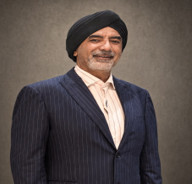
About Ranjit Singh
Ranjit Singh is the Founder and CEO of Amden Capital Sdn Bhd and a pioneer in Malaysia’s healthcare financing sector. With over three decades of experience in banking, finance, and entrepreneurship, he has led Amden’s evolution into a dedicated healthcare financing institution focused on bridging the affordability gap in healthcare.
A recognised thought leader and subject matter expert in healthcare and age care financing, Ranjit is a sought-after speaker at international and regional healthcare conferences and industry forums. His perspectives are regularly sought on healthcare financing, medical inflation, patient affordability and healthcare accessibility. Under his leadership, Amden Capital has also received multiple industry recognitions, including Healthcare Financing Service of the Year for Malaysia in 2024 and 2025.
Kiran brings over 20 years of experience in healthcare research, strategy, and consulting, advising organizations on growth, market development, commercialization, and strategic decision-making. Based in Malaysia, her work spans the broader Asia Pacific region as well as North America, Europe, and Latin America.
Her experience covers pharmaceuticals, biotechnology, medical devices, diagnostics, hospitals and healthcare services, consumer health, and public-sector healthcare. She has worked with both local and multinational organizations, as well as government agencies and healthcare stakeholders.
Kiran specializes in market and opportunity assessment, growth and market-entry strategy, commercialization, competitive intelligence, feasibility and due diligence, and business model development. She combines deep healthcare expertise with a strong understanding of market dynamics and stakeholder ecosystems to translate insights into actionable growth strategies.
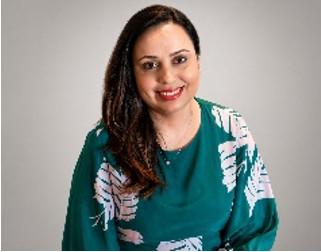
About Kiranjit Kaur
Ready to Lead the Transformation?
- Schedule a Growth Strategy Dialog:Align your growth roadmap with Frost & Sullivan’s Visionary Growth Pipeline™ Dialog.
- Engage with Growth Experts:Co-design AI-enabled, data-driven operating models that scale industry-specific and commercial impact.
- Showcase Your Transformational Leadership: Position your organization as a transformation leader through Frost & Sullivan’s Transformational Growth Leadership platform.
- Join the Growth Council:Collaborate with industry leaders shaping the future of your ecosystem.
- Explore Best Practices Recognition:Be recognized for excellence in growth strategy, execution, and customer impact.
- Benchmark Your Industry Positioning on the Frost Radar™:Benchmark your growth performance and innovation strength against industry competitors.
- Tell Your Story:Accelerate awareness, engagement, and revenue growth through integrated brand and demand generation strategies.
Appendix: Enabling Smarter Healthcare Access
As healthcare costs rise and insurance coverage becomes more selective, healthcare stakeholders need practical approaches to improve access without placing the full financial burden on patients, employers, insurers, or the public sector.
To support healthcare leaders addressing these challenges, Frost & Sullivan provides forward-looking intelligence across healthcare ecosystem, including:
📌 Global Healthcare IT Investment Growth Opportunities, 2026
📌 Growth Opportunities in the Global Healthcare IT Industry, 2026
📌 Growth Opportunities in the Healthcare Cloud Market, Global, Forecast to 2031
📌 Global Digital Health Solutions for Behavioral Health Management, Forecast to 2031
These analyses complement the themes discussed in this conversation, providing insights into healthcare access, financing models, investments, and technologies that can support more sustainable care delivery.