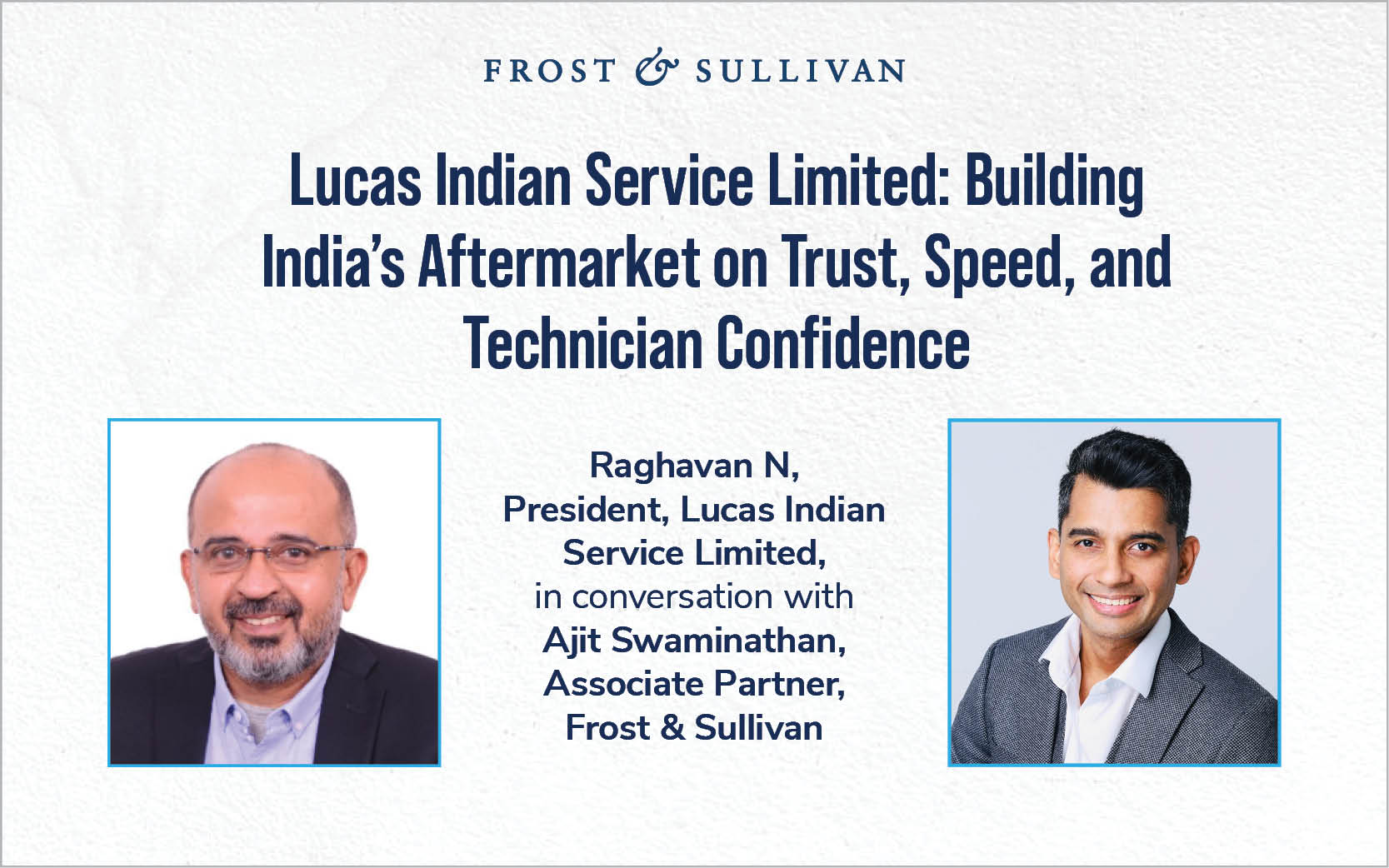
Download Frost & Sullivan’s Transformational Growth Leadership Discussion with Raghavan N., President, Lucas Indian Service Limited
As India’s automotive parc expands and vehicles become increasingly software-defined, the country’s independent aftermarket stands at a pivotal inflection point. Electrification, electronic control systems, heterogeneous powertrains, and rising customer expectations are reshaping how parts are selected, serviced, and delivered. In this evolving ecosystem, scale alone is not enough. Confidence, capability, and speed are becoming the new currencies of competitive advantage.
In this Transformational Growth Leadership (TGL) conversation, Raghavan N, President of Lucas Indian Service Limited speaks with Ajit Swaminathan, Associate Partner at Frost & Sullivan, about the transformations required to sustain profitable growth in India’s evolving aftermarket and why upskilling, digital cataloguing, and collaboration will define the next era.
“The transformation of the aftermarket begins with technician confidence. When mechanics are equipped to handle new technologies, the entire ecosystem can grow faster and more sustainably.”
— Raghavan N, President, Lucas Indian Service Limited
WATCH THE VIDEO
Sustaining Profitable Growth in a Complex Ecosystem
The Right Parts, the Right Service, at the Right Time
Ajit Swaminathan: Raghavan, operating at the intersection of parts distribution, service, and workshop engagement, what is the most important transformation your organization must get right over the next three to five years to sustain profitable growth?
Raghavan N: Let me step back a little. Over the past five years, we have almost doubled our top line while maintaining a stable bottom line. We are looking forward, to accelerate that pace.
The growth opportunity is coming from two clear trends. First, the need for the right parts, parts that are appropriate for the vehicle and application. Second, the need for reliable service.
Vehicles today are no longer purely mechanical or electrical. They are systems integrated with electronic control units (ECUs), sensors, and electronic control modules. The vehicle’s operation depends on aggregates and system integration. For the end user, it is increasingly difficult to walk into a spare parts shop and confidently select the right component.
That is where we see the opportunity. We bring genuine parts designed for the specific vehicle application. And we offer reliable service for key aggregates. While we do not yet service the entire vehicle, that is an area we would like to explore going forward.
Tackling the Last-mile Bottleneck
Confidence Through Upskilling at Scale
Ajit Swaminathan: With software-defined vehicles (SDVs), multiple powertrains, and increasing model complexity, the last-mile technician in the independent aftermarket becomes the biggest bottleneck. How do you intend to address that?
Raghavan N: It is important to recognize that no single company can solve this alone. The independent aftermarket is the backbone of the ecosystem, and it extends far beyond the factory gate. Through the lifecycle of the vehicle, maintenance is critical. The variety of technologies and powertrains creates one core challenge: technician confidence. Can they diagnose the vehicle? Can they repair it correctly? That confidence comes from upskilling, and it must happen at the mass scale. This cannot be a one-off mechanic training session. It must be structured and continuous.
Equally important is digital cataloguing. Unless electronic catalogues are accessible and publicly available, independent garages will struggle to identify the right parts for the right vehicles.
In the past two years, we have focused heavily on education. Through a corporate social responsibility (CSR) initiative, we partnered with the Automotive Skill Development Council and established the Lucas Indian Service (LIS) Academy. It operates physically in Chennai and virtually across the country. We go to where mechanics are and conduct training—not about selling our products, but about vehicle systems and diagnostics.
For example, Bharat Stage 6 (BS-VI) regulations in the two-wheeler space created significant challenges. Mechanics needed support to understand diagnostics and emissions systems. Similar complexities exist in cars and tractors. We address these through structured training.
But we also seek partnerships. Companies producing non-competing products can collaborate to share infrastructure and resources. There is no need to duplicate capital-intensive facilities when shared platforms can benefit the ecosystem.
Building Industry-wide Collaboration
A Bias for Action
Ajit Swaminathan: You’ve emphasized collaboration. Who should own the upskilling agenda, and how can such collaboration realistically happen?
Raghavan N: There has to be a bias for action. We cannot keep discussing the issue in forums without starting somewhere. If some companies already have infrastructure, others can participate and share it. It is not about “my company” or “my mechanics.” Mechanics use multiple brands and parts. The ecosystem must be viewed holistically. We have already begun conversations with other non-competing companies. Collaboration will benefit the entire industry, including us.
The Digital Backbone: Cataloguing as a Foundation
Trust Through Clarity Will Define the Next Leap
Ajit Swaminathan: Beyond training, how can technologies like digital cataloguing, serialization, or even blockchain support this ecosystem?
Raghavan N: We should take one step at a time. Overcomplicating the starting point may discourage action.
The top priority is creating a clear, easy-to-use parts catalog that links each vehicle to its OEM part number and the matching Tier 1 or Tier 2 equivalents. Tier 1 suppliers make the original parts used in vehicle production, so their aftermarket versions are equally reliable.
Building such a catalog requires close collaboration between OEMs and Tier 1 suppliers; third parties could do it, but the process would be slow and complex.
Visual accuracy is equally important — the catalog should feature high-quality images and 360-degree views. Even minor design differences between models matter, and without visuals, mechanics risk choosing the wrong part.
Ultimately, a catalogue isn’t just a database — it’s a tool that builds confidence in every repair decision.
Consumer Behavior as the Ultimate Driver
Speed as the New Competitive Advantage
Ajit Swaminathan: Which customer or market signals are reshaping your strategy today?
Raghavan N: More than technology, it is consumer behavior that is changing everything.
Customers are accustomed to receiving services within minutes in other areas of life. That expectation is now entering the automotive world. Vehicle owners, whether two-wheeler users or fleet operators are unwilling to leave their vehicles at a garage for an entire day. They want quick service and fast turnaround. This demand for speed will shape the aftermarket of the future across parts selection, diagnostics, repair, and logistics. Quick service will define competitive advantage.
Navigating the AI Journey
Early Steps in Data-driven Decision-making
Ajit Swaminathan: What role does AI play in your transformation journey?
Raghavan N: It is easy to label everything as AI today, but we prefer to be cautious. We are in the early stages. We use data mining and algorithm-based tools to analyze certain operational aspects. However, we consider it premature to present these as mature AI solutions. We would like to refine and scale these capabilities before speaking extensively about them. For us, AI must create measurable operational impact before it becomes part of the headline.
Unlocking the Next Phase of Sustainable Growth
Right to Repair and Workshop Standardization
Ajit Swaminathan: Where do you see the biggest opportunity for industry-led collaboration or policy intervention to unlock sustainable aftermarket growth?
Raghavan N: Two areas stand out.
First is the consumer. Discussions around “right to repair” are gaining momentum. Vehicle owners should have the freedom to choose where they get repairs done, provided quality and cost expectations are met.
Second is workshop standardization. Alongside cataloging, standardizing workshop processes and capabilities will be critical.
If we can ensure access to parts information, standardized training, and quality benchmarks, innovation in the aftermarket will flourish.
Expanding the Service Horizon
Lucas Indian Service Limited has traditionally focused on aggregates rather than full-vehicle servicing. However, as complexity increases and system integration becomes the norm, the company sees opportunity in broadening its scope.
By combining genuine parts distribution with reliable service and ecosystem training, the organization is positioning itself as more than a parts distributor—it is evolving into a capability enabler.
The future of India’s aftermarket will not be defined solely by volume growth. It will be shaped by trust, technician competence, and the ability to deliver speed without compromising quality.
Closing Reflection
India’s automotive aftermarket is entering a period of accelerated transformation. Vehicles are becoming smarter, customers more demanding, and competition more intense. In this environment, sustainable growth requires more than operational efficiency, it demands ecosystem leadership.
Under Raghavan N’s stewardship, Lucas Indian Service Limited is addressing the industry’s most pressing bottleneck: the last-mile technician. Through structured upskilling, digital cataloging initiatives, collaborative partnerships, and measured adoption of data-driven tools, the company is laying the foundation for a more standardized and responsive aftermarket.
The next three to five years will test the industry’s ability to collaborate, digitize, and move at the speed of customer expectations. For Lucas Indian Service Limited, the path forward is clear: build confidence, enable capability, and accelerate execution.
In an ecosystem as complex as India’s, transformation begins not with technology alone—but with trust.
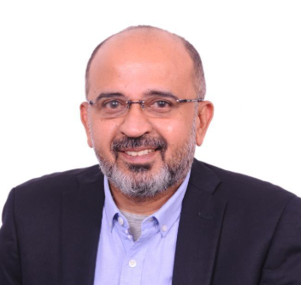
About Raghavan N
Raghavan N, President of Lucas Indian Service Limited, is a board-level senior executive with 30+ years of experience in the automotive and industrial sectors. He holds certifications in corporate governance, independent directorship, digital transformation, and environment and social governance (ESG). Currently, leading a major transformation initiative at Lucas Indian Service Ltd., he brings deep expertise in strategy, profit & loss (P&L) management, operations, and OEM relationships. Known for driving operational excellence and sustainable growth, he is passionate about innovation, sustainability, and social impact.
Ajit Chander Swaminathan is Associate Partner and Mobility Practice Leader for Americas & South Asia at Frost & Sullivan. With 20+ years of experience, he specializes in strategic planning, business development, P&L ownership, and digital transformation. His industry leadership spans electrification, connected vehicles, manufacturing, aftermarket, and regulatory frameworks, helping mobility clients grow, scale, and transform across global markets.
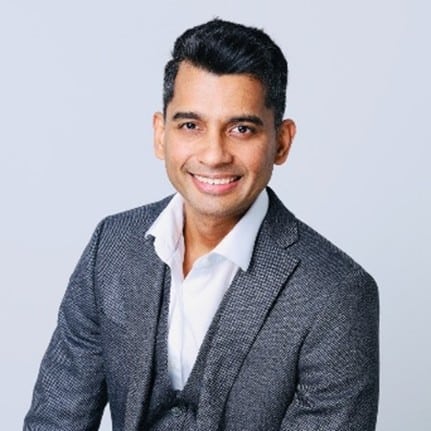
About Ajit Swaminathan
Ready to Lead the Transformation?
- Book a Growth Strategy Session: Align your growth roadmap with Frost & Sullivan’s Visionary Growth Pipeline™ Dialog.
- Engage with Growth Experts: Co-design AI-enabled, data-driven operating models that scale industry-specific and commercial impact.
- Share Your Transformation Story: Position your organization as a transformation leader through Frost & Sullivan’s Transformational Growth Leadership platform.
- Join the Growth Council: Collaborate with industry leaders shaping the future of your ecosystem.
- Nominate for the Best Practices Recognition: Be recognized for excellence in growth strategy, execution, and customer impact.
- Demonstrate Industry Positioning on the Frost Radar™: Benchmark your growth performance and innovation strength against industry competitors.
- Activate Brand & Demand Growth: Accelerate awareness, engagement, and revenue growth through integrated brand and demand generation strategies.
Annexure: Speed and Innovation Accelerating India’s Aftermarket Transformation
Frost & Sullivan has curated analyses that highlight growth opportunities, strategic imperatives, and technological transformations across the mobility aftermarket segment, offering critical insights for innovation and modernization.
Here are a few of them that you would like reading: