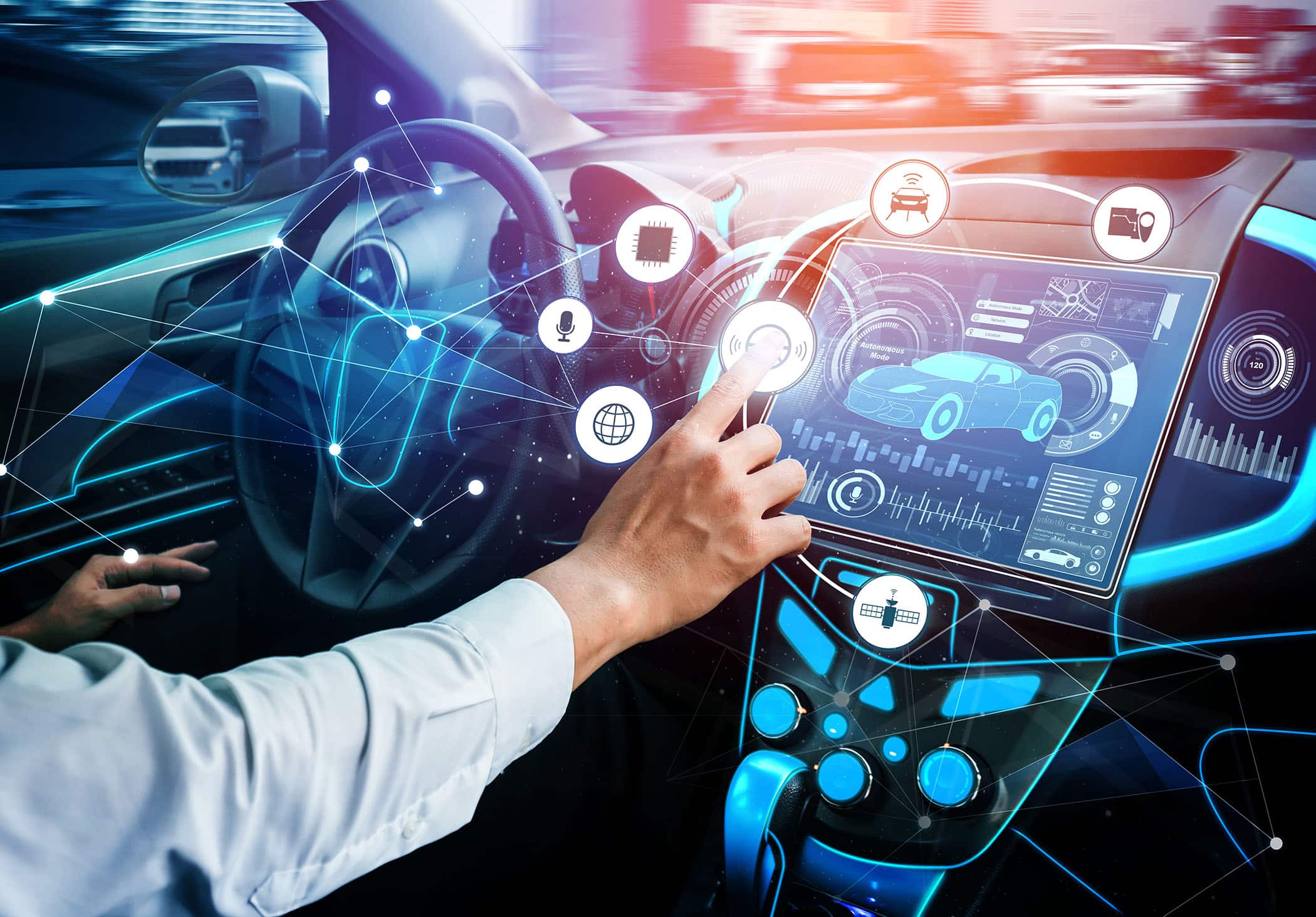
Future outlook to embrace development of fast charging infrastructure, renewable-based energy, and distributed charging amidst heightened public-private sector partnerships.
By Jagadeesh Chandran, Industry Principal – Mobility
As of 2024, India had over 26,000 public charging stations, largely concentrated in major metropolitan areas and Tier I cities. This number is projected to rise significantly by 2031, driven by increasing EV penetration, government incentives, and growing participation from private charging point operators (CPOs). Despite this progress, the market continues to face challenges related to uneven charging access and limited standardization. These issues are further compounded by constraints such as land availability, grid readiness, interoperability gaps, and low consumer awareness. To sustain growth, stakeholders will need to address these challenges and ensure that EV charging is accessible, reliable, and affordable.
To learn more, please see: Electric Vehicle Charging Infrastructure Market, India, 2025–2031, or contact [email protected] for information on a private briefing.
Standardization Emerges as a Critical Enabler
As the market scales, standardization is emerging as one of the most critical enablers for the next phase of charging infrastructure development. Today, charging stations vary widely in terms of connector types, software platforms, and payment systems. This lack of uniformity increases operating costs and complexity for CPOs, while making charging confusing and inconvenient for users. Over the coming years, greater alignment around battery formats, charging protocols, and open communication standards is expected to improve interoperability and reduce system complexity.
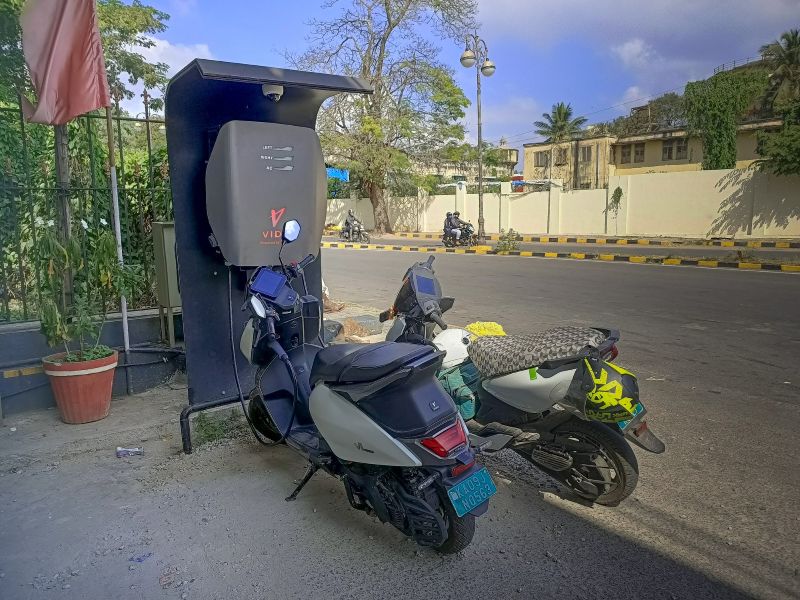
India’s charging landscape largely reflects its EV mix. With two-wheelers dominating sales, charging infrastructure has evolved accordingly. Most stations offer slow or moderate charging, which works well for two-wheelers and overnight residential charging. However, these solutions are less effective for electric cars, fleet operations, and highway travel.
Fast charging, particularly DC fast charging, remains limited due to high capital costs and low utilization rates. That said, improvements in battery capacity and declining hardware costs are anticipated to gradually improve the business case for fast-charging deployment. Over the long term, the development of dedicated four-wheeler charging stations and strategic partnerships between private players and public sector undertakings (PSUs) will be critical to sustaining growth momentum.
Grid integration will become increasingly important as charging demand rises. Many local power distribution networks are not designed to support high-capacity chargers or clusters of charging hubs. Addressing this challenge will require closer coordination among CPOs, utilities, and city authorities. Smart load management, on-site energy storage, and renewable energy integration are poised to play a growing role in balancing grid stability with rising charging demand.
Southern and Western Regions are Early Pacesetters
EV charging infrastructure development in India shows clear regional variations. The southern region currently accounts for the largest share of installed charging stations, supported by proactive EV policies and higher urban adoption. It also benefits from stronger private sector participation, with Karnataka and Tamil Nadu emerging as early pacesetters. The western region follows, with Maharashtra standing out due to its large vehicle base and metropolitan centers.
In contrast, infrastructure growth in Tier II cities, rural areas, and highway corridors has been slower. This uneven deployment creates range anxiety for intercity travel and limits EV adoption beyond major urban clusters. Regions such as the Northeast face additional challenges stemming from difficult terrain, lower population density, and weaker grid infrastructure, which have constrained large-scale rollout.
Accessibility remains a key concern for the market. Addressing this will require a balanced mix of public and private charging solutions, particularly in cities where many users lack dedicated parking. Looking ahead, expanding charging access in semi-urban and rural areas will be essential to achieving inclusive EV adoption. Solar-powered charging stations, mobile charging units, and localized solutions for areas with limited grid connectivity are expected to gain importance.
Competitive Landscape Shifting to Collaboration
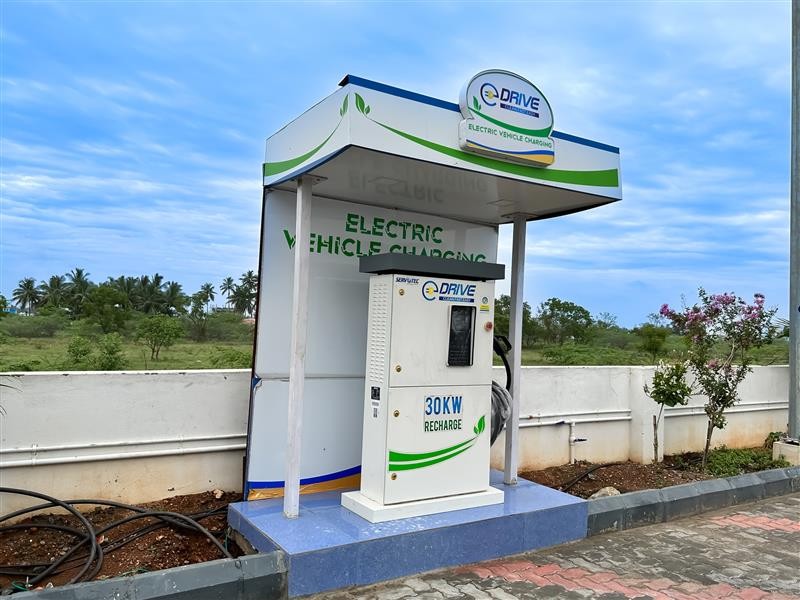
India’s EV charging infrastructure market includes both PSUs and private players. While private companies account for a larger number of operators, PSUs continue to control a majority of installed charging stations. This advantage derives from their early involvement in government-led programs and their ability to leverage existing assets such as fuel retail networks.
For instance, PSUs such as Indian Oil, Bharat Petroleum, and Hindustan Petroleum have used their extensive fuel station networks to deploy charging infrastructure quickly and at scale. This has given them a strong presence in both urban and highway locations. Private players, meanwhile, have focused on high-utilization areas such as metro cities, commercial hubs, and fleet depots, where returns on investment are more predictable.
The competitive landscape is gradually shifting toward collaboration rather than direct competition. Private CPOs are increasingly partnering with PSUs to gain access to land, power connections, and brand credibility, while contributing technology capabilities and digital platforms. Market leaders such as Bolt.Earth, Tata Power, and Ather Energy highlight a range of business models, from two-wheeler-focused networks to multi-vehicle, interoperable charging platforms.
Strategic Outlook
Several trends will influence the growth trajectory of India’s EV charging infrastructure between 2025 and 2031. EV adoption has slowed in certain segments due to reduced subsidies, rising vehicle prices, and growing interest in hybrid vehicles. This has made investors more cautious, particularly in regions with low utilization. At the same time, fleet electrification by cab aggregators and logistics operators is creating stable, high-volume demand, supporting the case for depot-based and fast-charging solutions.
Strategic collaboration between public and private stakeholders will remain central to scaling charging infrastructure. Public agencies can facilitate rollout through land access, policy clarity, and grid planning, while private players bring innovation, technology, and operational efficiency. As networks expand, delivering seamless and reliable charging experiences will be essential for building user trust and encouraging repeat usage.
Future roadmaps should incorporate three strategic priorities. First, expanding fast-charging infrastructure along highways and major travel corridors will be critical to enabling long-distance EV travel. Second, integrating renewable energy, particularly solar power, into charging operations will help reduce lifecycle costs and ease pressure on the grid while supporting sustainability goals. Third, promoting distributed charging at homes and workplaces, supported by smart chargers and clear regulatory frameworks, will be essential to accelerating EV adoption and, by extension, charging infrastructure growth.