CPOs are strategically pivoting from asset ownership to service-led business models, with energy integration and fleet electrification emerging as core growth engines.
By Jagadeesh Chandran, Industry Principal – Mobility
The global electric vehicle (EV) charging market is growing at a robust pace. Frost & Sullivan estimates that charging points in operation are expected to expand at a CAGR of 34.3% between 2024 and 2031. Unlike the early years of EV deployment, when infrastructure relied heavily on government subsidies and incentives, growth is now increasingly being driven by regulatory mandates and targets, resulting in more predictable and widespread infrastructure rollout.
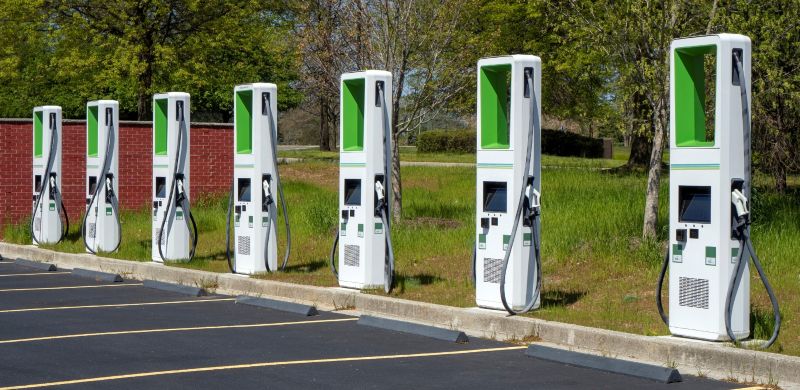
Standardization is further reducing uncertainty. Common technical standards are reducing compatibility issues and lowering investment risk for Charging Point Operators (CPOs). As EV adoption rises, CPOs are no longer positioning themselves merely as infrastructure providers. They are evolving into integrated energy and technology companies focused on network reliability, digital platforms, smart energy management, and diversified revenue streams such as subscriptions, roaming services, and grid participation.
Competition Intensifies as Networks Scale Across Regions
Charging networks across Europe, North America, and APAC grew by 29.2% year-on-year between 2023 and 2024. Investment remains strong, and operators are expanding through new business models such as Charging as a Service (CaaS) and hub-based ultra-fast charging (UFC) concepts. These efforts are accelerating deployment, particularly in high-traffic corridors, urban areas and fleet depots.
In Europe, traditional CPOs, utilities, oil and gas companies, hardware suppliers, and local players are in the competitive fray. Many of them are forming partnerships and roaming agreements to share networks. In North America, the market is more concentrated. Major networks such as Tesla Superchargers and Electrify America are leading the public fast-charging space, while EVgo and ChargePoint also hold strong positions.
In the coming years, competition will increasingly focus on uptime guarantees, along with price, charging speed, ease of payment, and overall user experience. Operators are also working to improve reliability and network performance as EV usage rises.
To learn more, please access: Benchmarking of Global Charging Point Operators (CPOs), 2024–2031, or contact [email protected] for information on a private briefing.
Policy and Regulation Shaping Deployment
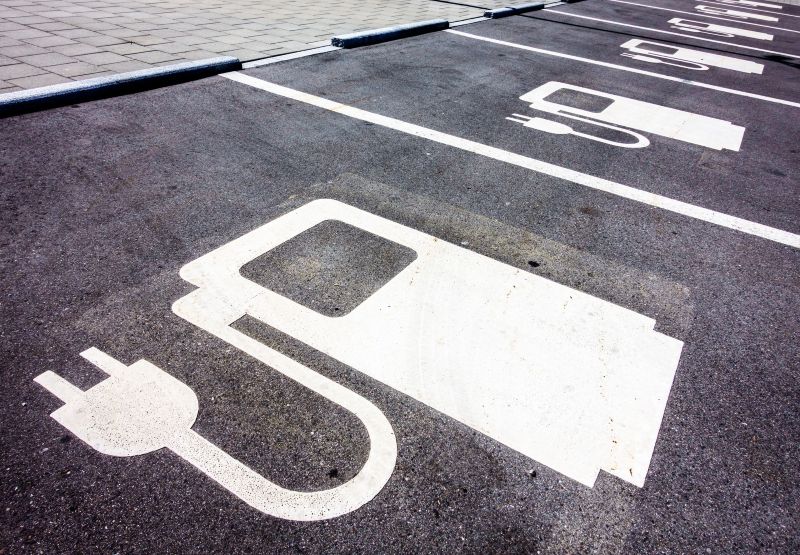
Government policy continues to play a major role in charging expansion. In Europe, regulations under the Alternative Fuels Infrastructure Regulation (AFIR) require higher uptime, transparent pricing, and better interoperability. CPOs must comply with standards such as OCPP, OCPI, and ISO 15118 to ensure systems operate smoothly across networks. Roaming access is becoming more common, allowing drivers to charge easily across different operators.
In North America, programs such as the National Electric Vehicle Infrastructure (NEVI) initiative and the Inflation Reduction Act support public charging through funding and clear regulatory requirements. These programs mandate open standards, Plug & Charge capability, and transparent pricing. Over time, operators can expect stricter requirements related to uptime, corridor coverage, and smart charging features.
A Mixed Regional Performance
Europe is expected to account for more than 80% of global charging points by 2031, reflecting strong regulatory frameworks and cross-border mandates. However, the market remains complex due to market fragmentation and diverse national policies. Operators will need to factor in interoperability, roaming, and compliance upgrades while expanding their networks. UFC is gaining strategic importance as the market scales up.
North America’s growth is being driven by a mix of public funding and private investment, with a strong emphasis on fast-charging corridors. Demand charges remain a major operational challenge, particularly for fast-charging sites where they can account for 40–80% of operating costs. Long interconnection timelines, often ranging from 6 to 24 months, further delay deployment. At the same time, companies such as Shell Recharge and BP Pulse are expanding their presence in the region, intensifying competitive pressure.
APAC shows moderate but varied growth. Some markets face overcapacity and low charger utilization, while others struggle with grid limitations and high setup costs. In markets like India, difficult terrain in certain regions and infrastructure gaps create additional challenges. And while new technologies such as UFC, battery swapping, and wireless charging offer long-term potential, they remain in the early stages of commercialization.
Shift Towards Asset-Light, Service-Oriented Approaches
The CPO business model is transforming. The industry is shifting from asset-heavy, owner–operator models toward asset-light, service-oriented approaches. CaaS allows operators to offer managed solutions that include hardware, installation, software, maintenance, and billing under subscription or contract-based arrangements.
CaaS is gaining strong momentum, especially in Europe. CPOs can partner with real estate developers, office parks, and fleet operators to provide managed charging solutions. These offerings often include smart charging, billing systems, and energy optimization features. Commercial fleets represent an attractive segment because they provide predictable demand and scale.
Fleet electrification is becoming an important driver. For instance, the expansion of e-commerce logistics, electric bus mandates, and ride-hailing electrification across APAC is accelerating demand for large-scale depot charging. Logistics companies, delivery fleets, ride-hailing operators, and bus operators require depot charging supported by smart scheduling and energy management. This is encouraging CPOs to develop fleet-focused solutions and long-term commercial contracts. Software platforms for load management and billing are becoming essential components of the value proposition.
Energy integration represents another major growth avenue. For instance, in some parts of the US, fast-charging sites often face high peak-demand charges. By integrating battery storage, CPOs can store energy during off-peak hours and reduce peak load exposure. Some operators are also exploring grid participation and demand-response programs.
Over the long term, success for CPOs will depend less on the number of chargers installed and more on delivering reliable networks with high uptime performance, advanced energy integration capabilities, strong partnerships, and practical business models that combine charging infrastructure with digital and energy services.