LightMetrics is at the forefront of a pivotal shift in fleet management, moving the industry beyond passive tracking toward intelligent, context-aware insights that directly impact safety and operational performance. As fleets grow in scale and complexity, the need to understand not just where vehicles are, but how they are being driven and why certain events occur, has become increasingly critical. LightMetrics is enabling this transition through its advanced video telematics platform, while also driving industry-wide awareness through strategic collaborations and thought leadership initiatives.
Redefining Fleet Intelligence with Video Telematics
Fleet management has traditionally relied on GPS-based systems that provide visibility into vehicle location, speed, and trip history. While these systems offer a foundational layer of insight, they fall short when it comes to understanding real-world driving scenarios. A sudden braking event, for instance, could be interpreted as risky driving, but without context, it is impossible to determine whether it was caused by driver behavior or an unavoidable external factor.
This is where video telematics is transforming the landscape. By integrating camera-based systems with artificial intelligence, fleets can gain a comprehensive view of both driver behavior and the surrounding environment. LightMetrics is leveraging this capability to bring a deeper level of intelligence to fleet operations, enabling fleets to distinguish between true risk and situational necessity.
Turning Data into Actionable Intelligence
LightMetrics’ technology stack is built around the idea of delivering meaningful, real-time insights rather than overwhelming fleets with raw data. Its edge-enabled technology processes information directly within the vehicle, allowing for immediate detection of events such as distraction, drowsiness, harsh braking, or unsafe manoeuvres.
What sets LightMetrics apart is its ability to interpret context. By analyzing video feeds alongside vehicle telemetry, the platform can identify whether an event was triggered by driver behavior or external conditions such as pedestrians, traffic patterns, or road environments. This level of contextual awareness ensures that alerts are accurate, relevant, and actionable.
At scale, the platform’s AI-driven analytics help fleet managers focus on what truly matters. Instead of relying on broad, one-size-fits-all training programs, fleets can identify specific drivers who may require targeted intervention. This shift toward precision-based safety management significantly enhances the effectiveness of coaching programs.
Building Safer Fleets Through Proactive Intelligence
A key advantage of LightMetrics’ approach is its ability to move fleets from reactive responses to proactive risk management. Rather than addressing incidents after they occur, the platform focuses on identifying early warning signs such as fatigue, distraction, or abnormal driving behavior, triggering timely alerts.
When aggregated across the fleet, this data provides powerful insights into risk patterns, enabling organizations to implement targeted safety strategies. The result is not just improved driver behavior, but a measurable reduction in accidents, operational disruptions, and associated costs.
The platform’s capabilities also extend to critical use cases such as hazardous materials transportation, where safety requirements are significantly higher. By providing continuous visibility and contextual insights, LightMetrics helps fleets operate with greater confidence in high-risk environments.
Driving Industry Conversations in India
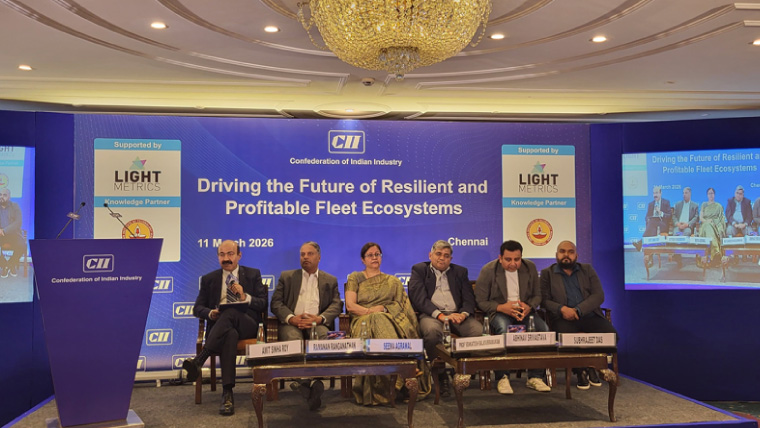
Recognizing that technology adoption must be supported by ecosystem-wide awareness, LightMetrics recently hosted a landmark event in Chennai in partnership with CII and IIT Madras. Titled “Driving the Future of Resilient & Profitable Fleet Ecosystems,” the event took place on 11 March 2026 and brought together industry leaders, technology providers, logistics experts, and academic specialists from across the commercial vehicle and fleet management landscape.
The event served as a platform to explore how emerging technologies, particularly video telematics, can reshape fleet safety and efficiency. Discussions focused on strengthening the fleet ecosystem from OEM integration to last-mile delivery, managing risks in specialized operations such as hazardous goods transportation, and unlocking value across the entire fleet lifecycle.
A central theme was the industry’s transition from vehicle tracking to behavior-driven intelligence. Edge-enabled camera systems were highlighted as a key enabler of this shift, offering the ability to analyze driving behavior in context and generate more accurate insights. By combining multiple data inputs from vehicle systems to onboard cameras, these solutions provide a far richer understanding of fleet operations than traditional telematics.
With fleets generating vast amounts of data, AI-driven analytics are becoming essential for identifying meaningful patterns and prioritizing actions, considering scalability. The emergence of virtual coaching assistants provides personalized feedback at scale while driving significant return on investment.
AI Driver Monitoring Solution for Driver Safety
A major highlight of the event was a demonstration by LightMetrics.
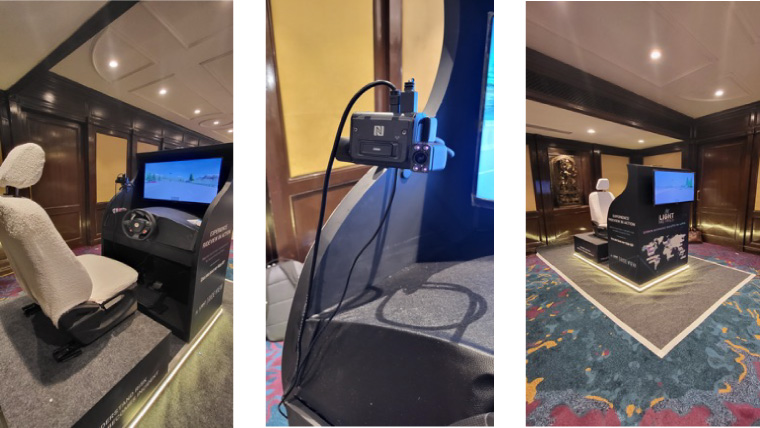
The company showcased its AI-based driver monitoring technology designed to detect drowsiness, distraction, and unsafe driving behavior. The system can identify events such as mobile phone usage, closed eyes, and potential forward collision risks, providing real-time alerts to improve driver safety and fleet efficiency.
Enabling Faster Response, Reinforcing Prevention
Perspectives from Frost & Sullivan underscored the potential of telematics-enabled first responder ecosystems in managing risks in operations such as hazardous goods transportation. In such a scenario, a connected vehicle can automatically transmit its GPS location, vehicle data, driver information, and video footage immediately after an incident. This enables faster and more coordinated emergency response, improving outcomes in critical situations, especially in the transportation of hazardous materials.
Advanced driver monitoring systems powered by cameras and AI can detect early indicators of fatigue, distraction, or unsafe behavior and provide real-time alerts, reinforcing the importance of prevention. Over time, this data enables fleets to build targeted coaching and safety programs that address risks before they escalate.
Expanding the Vision Beyond India
The event is part of a broader initiative by LightMetrics to drive awareness and adoption of video telematics globally.
By fostering dialogue across regions and bringing together diverse stakeholders, LightMetrics is playing a key role in shaping the future of fleet safety. These efforts reflect a commitment not just to technological innovation, but to building a safer and more resilient transportation ecosystem worldwide.
Conclusion
LightMetrics is redefining fleet management by bridging the gap between data and decision-making. Its video telematics platform combines edge intelligence, AI-driven analytics, and contextual awareness to deliver insights that are both precise and actionable.
Through its technology and industry engagement initiatives, LightMetrics is enabling fleets to move beyond visibility toward true understanding, empowering them to enhance safety, improve efficiency, and drive long-term value.