Dr. Nurul Mu’az Bin Omar, Managing Director & Chief Executive Officer, Selgate Healthcare, in conversation with Rathanesh Ramasundram, Regional Practice Area Leader, Healthcare & Life Sciences, Asia-Pacific, Frost & Sullivan
Download this Transformational Growth Leadership Discussion with Dr. Nurul Mu’az Bin Omar
Healthcare systems worldwide are undergoing profound transformation. Traditional fee-for-service models are gradually giving way to more value-driven approaches that emphasize outcomes, patient experience, care coordination, and long-term engagement. At the same time, advances in artificial intelligence (AI), automation, digital health, and data analytics are reshaping how care is delivered, managed, and measured.
In this Transformational Growth Leadership discussion, Dr. Nurul Mu’az Bin Omar, Managing Director and Chief Executive Officer of Selgate Healthcare, shares how Selgate is responding to these shifts by building an integrated healthcare ecosystem spanning primary care, digital platforms and expanding hospital capabilities. Drawing from Selgate’s experience in Malaysia, he discusses the role of technology, public-private partnerships, patient-centricity, and data intelligence in shaping the organization’s growth strategy and long-term vision.
“The future of healthcare lies in building trusted ecosystems that combine patient-centric care, data intelligence, and innovation to deliver better outcomes.”
— Dr. Nurul Mu’az Bin Omar, Managing Director & Chief Executive Officer, Selgate Healthcare
The Changing Healthcare Landscape
Rathanesh Ramasundram: Healthcare is undergoing significant transformation globally, from fee-for-service to value-based care and from episodic care toward longitudinal patient engagement. What trends do you believe are most reshaping healthcare today?
Dr. Mu’az Omar: One of the most important forces reshaping healthcare today is technology. Artificial intelligence, especially generative AI, automation, wearables, and virtual care, is changing how patients engage with healthcare and how providers deliver care.
Digital tools are increasingly enabling continuous monitoring, remote engagement, and different models of supplementary care. Electronic medical records are also becoming essential, supporting better coordination across the care journey. In parallel, areas such as genomics and stem cells are emerging more strongly, particularly in developed markets, as part of the broader healthcare transformation.
At the same time, a key challenge remains access. While technology can significantly improve patient experience and care delivery, the benefits are still unevenly distributed. Lower-income populations may not be able to access these advances at the same pace, making government intervention critical in narrowing the gap and ensuring broader healthcare inclusion.
Structural Shifts in Malaysia’s Healthcare System
Rathanesh Ramasundram: In Malaysia’s context, what structural shifts are most relevant for healthcare providers today?
Dr. Mu’az Omar: Several structural factors are influencing healthcare providers in Malaysia. First is the push toward wider adoption of electronic medical records, which can improve care continuity and system efficiency if implemented effectively. Second is the growing importance of public-private partnerships, particularly as public hospitals face capacity constraints and private providers can help complement access and service delivery.
Selgate’s own experience reflects this. For the past eight to nine years, the group has partnered with the Selangor state government on a B40 healthcare program designed to improve access to primary care for lower-income households. Through this initiative, more than 300,000 families have been supported with access to GP services, backed by the State Government’s initial allocation of RM125 million. While the annual support per family is modest, it helps ease access and reduces the burden on overcrowded public facilities.
Demographics are also becoming increasingly important. Malaysia’s aging population is beginning to place greater pressure on the healthcare system, yet the country still lacks sufficient integrated aged-care infrastructure. While some policy movement is visible, including initiatives at the state level (for example in Penang State) to encourage senior living development, there is still no widely adopted care model suited to Malaysia’s needs. As a result, much of the burden continues to fall back on public hospitals and fragmented private eldercare providers.
Building from the Ground Up: Selgate’s Strategic Response
Rathanesh Ramasundram: How is Selgate translating these industry shifts into strategic advantage?
Dr. Mu’az Omar: Selgate’s model is differentiated by how it was built. Unlike many hospital groups that started with tertiary care, Selgate developed its healthcare ecosystem from the ground up, beginning with primary care.
Over the past decade, the group has built a chain of clinics, a third-party administrator and panel ecosystem, a network of around 2,500 general practitioners, diagnostic laboratory capabilities, pharmaceutical services, home nursing support, and its own digital application, Selangkah.
Digital capabilities play an integral role in our model. The Selangkah mobile application enhances patient engagement and facilitates healthcare access throughout our network.
Our expansion into hospital services is the current phase of this journey, with its first hospital already opened in Rawang and additional hospitals planned in Sepang and Setia Alam. By the end of this year, we expect to operate three hospitals and by 2030, a total of 8 hospitals with more than 1,500 beds
This bottom-up model gives Selgate a broader view of the patient journey and a stronger ability to connect adjacent services across the healthcare ecosystem. It also enables agility. As a new player in the hospital space, Selgate sees flexibility as an advantage, allowing it to pivot more quickly while continuing to strengthen its digital pathway and patient experience capabilities.
For Selgate, patient care and end-to-end experience are central to how the system is being designed.
Balancing Growth, Cost Discipline, and Care Quality
Rathanesh Ramasundram: As Selgate evolves, how do you balance growth, cost discipline, and quality outcomes simultaneously? What strategic levers are most critical in achieving that balance?
Dr. Mu’az Omar: One of the key industry trends in healthcare is the shift from fee-for-service toward value-based care. While this transition remains challenging, particularly for newer hospital operators operating within existing market dynamics, Selgate recognizes that this is an important direction for the industry.
The group sees potential in mechanisms such as diagnosis-related group pricing and the soon-to-be introduced MHIT (Medical and Health Insurance/Takaful) healthcare insurance led by the Ministry of Health, which could help accelerate change across the market. As a newer entrant, Selgate may not yet be in a position to shape the system on its own, but it believes it can adapt quickly when the market shifts.
Data analytics is another critical lever. Through years of involvement in health screening programs, Selgate has built a meaningful base of population-level insights, particularly around non-communicable diseases. Combined with data gathered through Selangkah and its clinical touchpoints, this provides a stronger foundation for understanding patient needs, managing care pathways, and informing future service priorities.
At the same time, the organization sees financing discipline and procurement capability as equally important. Better cost management can support more affordable service delivery, especially when linked to primary care, preventive care, technology investments, and partnerships with state stakeholders.
Selgate views its manpower as the most important factor that will ensure its success and differentiate from its competitors. The talent and skilled workforce is our source of strength and pride which we hope will elevate our stature in this very competitive industry.
Operationalizing Value-based Care
Rathanesh Ramasundram: Transitioning toward value-based and outcomes-driven care requires organizational change. What shifts are required to operationalize this at a scale?
Dr. Mu’az Omar: The first and most important shift is mindset. For Selgate, value-based care begins with moving away from a traditional episodic model and toward a more patient-centered approach focused on the whole care journey and the root causes of illness, not just symptoms.
This requires stronger clinician collaboration, shared leadership, and a common vision across the organization. The shift must be supported by digital health capabilities, integrated data systems, and medical technologies that can improve diagnostic accuracy and support better outcomes.
At the operational level, workflows also need to be redesigned to optimize the patient journey. Care coordination across different disciplines and partners becomes increasingly important when the goal is to deliver a more outcome-focused and patient-centered model of care.
Data, Technology, and Operational Intelligence as Strategic Enablers
Rathanesh Ramasundram: What role does data and analytics play in enabling this transformation? How is Selgate leveraging intelligence – clinical, operational or financial – to drive measurable improvements?
Dr. Mu’az Omar: Data and technology are core enablers of better outcomes and more efficient care delivery. For Selgate, that begins with selecting the right technologies and advanced medical equipment with higher precision to support accurate diagnosis and appropriate treatment.
Investments in advanced equipment such as MRI and CT systems are part of this effort, but the focus is not only on acquiring the latest technology. It is also about identifying technology that delivers the best value while remaining affordable and fit for purpose.
Beyond clinical technology, Selgate also places strong emphasis on operational intelligence. Its information systems across clinics and facilities help optimize workflows and improve service efficiency. While these investments require substantial financial commitment, the objective is clear: use technology to strengthen care quality, improve workflow performance, and support better value for patients.
In essence, technology is a support system for healthcare professionals, not a replacement for them.
Differentiation Through Community-centered Care
Rathanesh Ramasundram: As competition increases in Malaysia’s private healthcare sector, how does Selgate differentiate itself?
Dr. Mu’az Omar: Selgate’s differentiation lies in aligning services with the specific needs of the communities it serves. Rather than taking a one-size-fits-all approach, the group is shaping its hospitals and service lines based on local demographics and demand patterns.
For examples: In Rawang town, orthopaedic care is a key focus. In Sepang, proximity to the airport creates potential around medical tourism. In Setia Alam, the model is expected to be more community-driven. Selgate is also planning centers of excellence, including cardiac care in Shah Alam, while exploring emerging areas such as genomic medicine and stem cell-related services for selected patient groups.
This community-responsive approach reflects Selgate’s broader philosophy: provide the right care to the right communities.
Digital capabilities are evolving, and we are enhancing Selangkah with AI to support future value-based care.
Patient Experience as a Core Strategic Pillar
Rathanesh Ramasundram: How important is patient experience in in shaping Selgate’s brand and long-term sustainability?
Dr. Mu’az Omar: For Selgate, patient experience is not secondary to care delivery; it is central to it. Healthcare, in many ways, is essentially a hospitality industry, where personalized care, seamless service, and the overall patient journey are critical to trust and long-term brand strength.
Selgate’s philosophy of patient experience rests on three core principles: trust in the brand, innovation in how care is delivered and the care experience itself. These principles guide how we design services, engage patients and differentiate ourselves in an increasingly competitive private healthcare market.
The Five-year Vision: Growth, Credibility and Trust
Rathanesh Ramasundram: Looking ahead five years, how do you envision Selgate’s evolution as a healthcare organization?
Dr. Mu’az Omar: Over the next five years, Selgate’s ambitions are centered on scale, financial sustainability, and stronger industry credibility. The organization is targeting growth to more than 1,500 hospital beds, eight to ten hospitals and more than 50 clinics, which would significantly expand its reach and improve its ability to distribute and manage costs more effectively.
As a government-linked company, Selgate also remains accountable to its stakeholders and is focused on profitability and milestone delivery. A potential IPO is part of its longer-term strategic consideration.
Yet beyond financial and operational metrics, we believe that the ultimate success factor is trust. Growth may build scale, but long-term sustainability depends on whether patients and the broader public believe in the Selgate brand and the value of the care it provides.
Leadership in Times of Transformation: Disruption, Discipline, Listening
Rathanesh Ramasundram: Finally, what leadership principles guide you personally as you steer Selgate through this transformation?
Dr. Mu’az Omar: I highly value a leadership approach that emphasizes disruption, disciplined execution, and listening. Organizations must be willing to challenge norms and create meaningful impact, especially in a sector being reshaped by technology and changing expectations.
At the same time, leaders must remain committed to their vision and precise in execution. Bold ambition must be matched by practical delivery.
Equally important is listening, especially to frontline staff and teams on the ground. Leadership is not about speaking only in big ideas; it is about staying grounded in operational realities and translating vision into action.
Leaders must not only think big, but also do big – to transform vision into impact.
Closing Reflection: Advancing Value, Access, and Patient-centered Care
Selgate Healthcare’s strategy reflects a broader transformation underway across healthcare systems: a shift toward more connected, patient-centered and intelligence-driven care models. Its approach combines primary care access, digital enablement, public-private partnerships, diagnostics and hospital expansion into a more integrated healthcare ecosystem.
What stands out is not only the organization’s growth ambition, but also its emphasis on patient experience, affordability, community relevance and long-term trust. As Malaysia’s healthcare landscape evolves, providers that can balance innovation, cost discipline, data intelligence and patient-centricity will be better positioned to create sustainable impact.
Selgate’s journey illustrates how an emerging healthcare player can build toward that future—not by replicating traditional models, but by rethinking care from the ground up.
About Dr. Nurul Mu’az Bin Omar
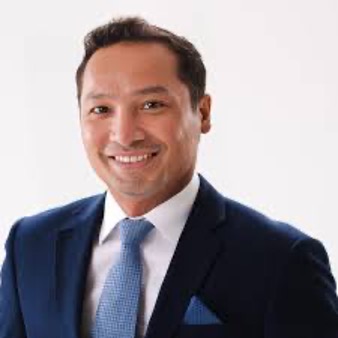
Dr. Nurul Mu’az Omar is the Managing Director and Chief Executive Officer of Selgate Healthcare, where he leads the organization’s strategic growth and transformation across Malaysia’s healthcare ecosystem. Under his leadership, Selgate has developed an integrated healthcare model that spans primary care networks, diagnostic services, digital health platforms, and hospital operations. With a focus on patient-centric care, innovation, and strategic partnerships with government stakeholders, Dr. Mu’az is driving Selgate’s expansion into hospital services and community-based healthcare delivery while advancing initiatives that improve healthcare access and quality across the region.
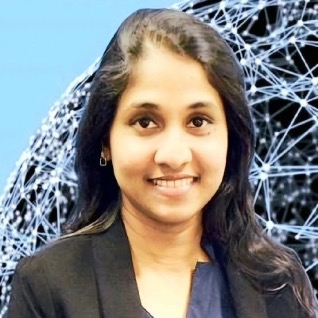
Rathanesh Ramasundram is the Regional Practice Area Leader for Healthcare & Life Sciences across Asia-Pacific at Frost & Sullivan. With over 20 years of experience in the healthcare industry, including 16 years in strategy consulting, she leads research and advisory initiatives focused on healthcare transformation, market growth, and emerging industry trends. Rathanesh works closely with healthcare providers, life sciences and medtech companies, and public sector stakeholders to identify growth opportunities, shape strategic direction, and advance innovation across the healthcare ecosystem.
About Rathanesh Ramasundram
Ready to Lead the Transformation?
- Book a Growth Strategy Session: Align your growth roadmap with Frost & Sullivan’s Visionary Growth Pipeline™ Dialog.
- Engage with Growth Experts: Co-design AI-enabled, data-driven operating models that scale industry-specific and commercial impact.
- Share Your Transformation Story: Position your organization as a transformation leader through Frost & Sullivan’s Transformational Growth Leadership platform.
- Join the Growth Council: Collaborate with industry leaders shaping the future of your ecosystem.
- Nominate for the Best Practices Recognition: Be recognized for excellence in growth strategy, execution, and customer impact.
- Demonstrate Industry Positioning on the Frost Radar™: Benchmark your growth performance and innovation strength against industry competitors.
- Activate Brand & Demand Growth: Accelerate awareness, engagement, and revenue growth through integrated brand and demand generation strategies.
Annexure: Advancing Value-based and Digitally Enabled Healthcare Ecosystems
As healthcare systems continue evolving toward value-based care, providers are increasingly investing in digital health technologies, integrated care networks, and data-driven decision frameworks. Capabilities such as electronic medical records, AI-enabled diagnostics, and virtual care platforms are helping healthcare organizations improve patient engagement, optimize clinical workflows, and support more coordinated care delivery.
To support healthcare leaders navigating this transformation, Frost & Sullivan provides forward-looking intelligence across healthcare system innovation, digital health adoption, and patient-centric care models, including:
📌 Building Digital Healthcare Ecosystems: The Future of Digital Health
📌 Global Healthcare IT Investment Growth Opportunities, 2026
Together, these analyses reinforce the key themes explored in this Transformational Growth Leadership discussion: patient-centric care, digital health integration, and value-driven healthcare delivery, offering strategic insights for organizations shaping the future of healthcare in Malaysia and across the Asia-Pacific region.