Tamanna Singh, Founder & CEO, Menoveda, in conversation with Vandana Iyer, Research Director, Frost & Sullivan
Download this Transformational Growth Leadership Discussion with Tamanna Singh.
Building the Future of Women’s Midlife Health
Women’s health is entering a period of significant transformation. While healthcare has traditionally focused on fertility, pregnancy, and reproductive care, growing recognition of menopause as a critical life stage is reshaping how organizations, healthcare providers, and policymakers approach women’s long-term health. As scientific evidence expands and awareness increases, the conversation is shifting toward proactive, personalized, and evidence-based models that address physical, mental, and metabolic health throughout midlife and beyond.
At the same time, healthcare systems are under increasing pressure to improve access, reduce stigma, and deliver coordinated care that reflects women’s diverse experiences. This is driving greater investment in digital health, preventive care, multidisciplinary collaboration, and culturally relevant solutions that support women throughout their menopause journey
In this Transformational Growth Leadership (TGL) conversation, Tamanna Singh, Founder & CEO of Menoveda, speaks with Vandana Iyer, Research Director at Frost & Sullivan, about the future of menopause care in India, the importance of evidence-based and holistic healthcare models, the role of technology in expanding access, and why redefining menopause as a long-term health priority will be essential to improving outcomes for millions of women.
“Menopause should not be the stage at which women disappear from healthcare conversations. It should be the stage at which healthcare finally begins to see the whole woman: her body, her mind, her work, her relationships, and her future health.”
— Tamanna Singh, Founder & CEO, Menoveda
The Three Forces Reshaping the Future of Menopause Care
Vandana Iyer: Tamanna, before we talk about Menoveda, let’s begin with the bigger picture. What does the future of menopause care in India look like to you?
Tamanna Singh: Thank you so much for having me. If you had asked me this question five years ago, when I was navigating my own perimenopausal journey, I wouldn’t have imagined the conversation evolving this quickly. Today, the biggest shift is that menopause is moving from silence to awareness and now towards systems. Governments, employers, investors, and healthcare providers are recognizing its impact on women’s health, workforce participation, and overall well-being. Menopause can no longer be viewed as a private inconvenience.
The first major trend is the shift from treating individual symptoms to managing health span. Rather than addressing insomnia, anxiety, joint pain, or weight gain separately, healthcare will increasingly look at a woman’s bone, cardiovascular, metabolic, cognitive, mental, and sexual health together.
The second trend is the rise of personalized care. While some women benefit from menopause hormone therapy, others need evidence-based non-hormonal options. The future lies in offering individualized care that combines medical treatment with nutrition, sleep, mental health support, and validated traditional medicine. Whatever the approach, it must be backed by evidence.
The third trend is that menopause care will move beyond specialist clinics into primary care, workplaces, digital health, insurance, and public health programs. Just as maternity care became a healthcare priority, menopause must become an integrated part of the healthcare system rather than remaining a private matter.
Redefining Menopause as a Long-term Health Priority
Vandana Iyer: By 2030, more than 140 million women in India are expected to be in menopause, excluding those in perimenopause and post-menopause. Given the scale of the issue, why did menopause remain outside mainstream healthcare for so long, and what’s driving the shift today?
Tamanna Singh: For decades, women’s healthcare has focused primarily on fertility, pregnancy, childbirth, and contraception. Once women moved beyond their reproductive years, their gender-specific health needs received far less attention. Unlike pregnancy, menopause unfolds gradually over many years and affects almost every aspect of a woman’s health. Yet it has never had the same structured care pathways or public awareness.
One reason is that menopause doesn’t present as a single condition. Women experience symptoms such as brain fog, insomnia, fatigue, mood changes, joint pain, and palpitations, which are often treated individually rather than recognised as part of the same transition. Another reason is our relationship with ageing. Menopause has long been associated with growing older, and many cultures, including ours, have discouraged open conversations about this stage of life.
Women have also been conditioned to normalise their symptoms, often being told they are simply part of ageing or stress. I experienced this myself. When I began experiencing symptoms in my early forties, I consulted several doctors, but no one connected the dots. That experience ultimately inspired the creation of Menoveda.
What’s changing today is growing recognition that menopause is a significant health, workplace, and economic issue. As awareness increases, we’re seeing greater investment in research, education, digital health, and evidence-based care. The opportunity now is to build an integrated ecosystem that supports women throughout this stage of life.
The problem is not that women are difficult to diagnose. The problem is that the healthcare system has not been trained to listen to the whole story.
That, more than anything else, is the gap we now have an opportunity to close.
Download this Transformational Growth Leadership Discussion with Tamanna Singh.
Building an India-centric Model for Menopause Care
Vandana Iyer: India has only recently updated its clinical guidelines for menopause care, and our healthcare landscape is very different from the West. What kind of national framework does India need to normalize menopause care and improve outcomes for women?
Tamanna Singh: Updating professional guidelines is an important first step, but implementation is what will determine real impact. India needs an India-first framework that builds on global evidence while reflecting our healthcare system, cultural diversity, and population needs.
Most women first seek care from a general physician, family doctor, nurse, AYUSH practitioner, or community health worker rather than a menopause specialist. We need practical care pathways that help frontline providers recognise menopause early, rule out other conditions, assess long-term health risks, and refer women when specialist care is needed. Those pathways should also clarify when menopause can be diagnosed clinically, when investigations are necessary, and when symptoms may point to conditions such as thyroid disorders, anaemia, diabetes, depression, or cardiovascular disease.
Traditional and complementary medicine has an important role to play, provided it is supported by high-quality clinical evidence, safety, effectiveness, and long-term outcomes. The conversation should focus on meaningful patient outcomes, rather than whether a treatment is modern or traditional.
Progress will require ecosystem-wide collaboration across government, medical societies, researchers, clinicians, insurers, employers, and women’s health organizations. Success will be measured when every woman has access to timely, evidence-based menopause care that improves her long-term health.
India should not simply inherit global menopause models. We have an opportunity to build one that reflects our own population, healthcare realities, and strengths.
Expanding Evidence-based Treatment Pathways
Vandana Iyer: Hormone therapy remains one of the most effective treatments for menopause, but it isn’t suitable for every woman. How do you see hormone therapy and evidence-based non-hormonal approaches evolving to deliver more personalised menopause care?
Tamanna Singh: The first step is to move beyond what has become a false debate. This should never be a choice between hormone therapy and Ayurveda. Menopause hormone therapy is highly effective and can be transformative for women who are appropriate candidates. However, it isn’t suitable for everyone. Some women have hormone-sensitive cancers, clotting disorders, liver disease, or other medical conditions. Others experience side effects or simply choose not to pursue hormone therapy after understanding their options.
That is why I always emphasize that Menoveda is not anti-hormone therapy. The real issue is ensuring that women who cannot or choose not to take hormones are not left believing they have no meaningful alternatives.
Women deserve credible, evidence-based treatment options, not fear-based marketing or unsupported claims. Every intervention, whether hormonal, non-hormonal, or traditional, should be held to the same standards of safety, efficacy, quality, and transparency. Building confidence in non-hormonal care requires rigorous clinical evidence, standardized formulations, robust safety monitoring, and honest communication about what the evidence supports. The goal is to ensure every woman has access to reliable, personalized care that aligns with her individual needs and preferences.
Being unsuitable for hormone therapy should never mean having no options, it should simply mean having different options that meet the same scientific standards.
Integrating Traditional Knowledge with Evidence-based Medicine
Vandana Iyer: Tamanna, one theme that’s come through consistently is the importance of scientific evidence. How can India bridge traditional knowledge systems like Ayurveda with modern clinical research to build greater confidence in menopause care?
Tamanna Singh: I don’t believe Ayurveda should ask for an exemption from evidence. It should embrace rigorous scientific evaluation. Ayurveda offers centuries of accumulated knowledge, while modern research provides the tools to understand why an intervention works, for whom it works, at what dosage, and with what level of safety. These two approaches should complement each other, not compete. Bridging traditional knowledge with modern healthcare requires validated formulations, standardized manufacturing, well-designed clinical studies, real-world evidence, and transparent reporting of both positive and negative findings.
At Menoveda, we begin with the traditional rationale behind our formulations, but our responsibility extends to quality control, clinical validation, outcome measurement, and continuous evidence generation. Doctors should never recommend a product simply because it is traditional. Trust is earned through evidence: one ingredient, one formulation, and one study at a time.
Ultimately, scientific credibility is built through transparency, not marketing. That’s how traditional medicine can strengthen its place within modern healthcare and deliver better outcomes for women.
Advancing Earlier Diagnosis Through Better Clinical Practice
Vandana Iyer: Earlier, you mentioned that women are often treated for individual symptoms rather than the underlying transition. What needs to change to ensure menopause is recognised earlier and managed more proactively?
Tamanna Singh: The first change is actually very simple. Beginning in a woman’s late thirties or early forties, or earlier where symptoms or risk factors suggest it, healthcare providers should routinely ask about changes in menstrual cycles, sleep, mood, hot flashes, cognitive health, joint pain, sexual well-being, and daily functioning. Menopause should become a routine part of every midlife health conversation, just like blood pressure, diabetes, or cancer screening.
The second priority is strengthening primary care. Most women first seek help from a general physician, nurse, or family doctor, so these providers need the knowledge and confidence to recognise perimenopause, rule out conditions with similar symptoms, and know when investigations or specialist referrals are needed.
We need standardized assessment and referral pathways so women receive consistent care regardless of where they enter the healthcare system. While digital platforms are helping many women recognize perimenopause, they should complement, not replace, timely clinical assessment. Most importantly, healthcare providers need to listen earlier and connect the dots sooner, recognizing the whole health journey from the first conversation so women receive the right diagnosis and care without navigating multiple specialists.
Download this Transformational Growth Leadership Discussion with Tamanna Singh.
Building a Collaborative Ecosystem for Women’s Midlife Health
Vandana Iyer: As women’s health gains greater attention from policymakers and investors, where do you see the biggest opportunities for public-private collaboration to improve menopause care across India?
Tamanna Singh: Public-private partnerships can be incredibly powerful, but patient outcomes must remain the primary objective.
Government brings scale, public health infrastructure, and access, while the private sector contributes innovation, technology, implementation expertise, and patient education. Academic institutions and public health organisations play an equally important role by providing independent research and evaluation to ensure transparency and accountability.
One immediate opportunity is to co-develop screening, education, and counselling programmes that combine the reach of primary healthcare with digital tools and community-based support. Another is the responsible use of real-world data to better understand symptom patterns, barriers to care, and healthcare-seeking behaviours, helping shape more effective public health policies.
We also need greater investment in women’s midlife health through research, innovation, and pilot programs that accelerate evidence generation and scalable care models. Ultimately, success should be measured by better health literacy, earlier diagnosis, improved quality of life, and stronger long-term health outcomes, not simply by the number of awareness campaigns delivered.
India has a unique opportunity not just to adopt global menopause care models, but to build a scalable, affordable, and culturally relevant framework that other countries can learn from.
Harnessing AI to Enable Better Menopause Care
Vandana Iyer: Artificial intelligence is rapidly transforming healthcare. Where do you believe AI can create the greatest value in menopause care?
Tamanna Singh: AI’s greatest near-term value lies in navigation, education, and continuity of care, not diagnosis. It can help women organise changing symptoms, recognise patterns, access credible information in their own language, and have more informed conversations with healthcare providers. AI-assisted symptom tracking can also help clinicians identify patterns that might otherwise take months to recognise.
Beyond individual care, AI can support clinical triage and analyse population-level health data to uncover regional, nutritional, occupational, and socioeconomic patterns that traditional studies often overlook. At Menoveda, digital insights have revealed important differences in symptom profiles, nutritional deficiencies, surgical menopause prevalence, and healthcare behaviours, enabling more personalized care. However, AI must remain evidence-based and clinician-guided, supported by strong governance around privacy, consent, transparency, bias, and human oversight. Its long-term impact will ultimately depend on India-specific datasets that accurately reflect the diverse experiences of Indian women.
Ultimately, AI should strengthen clinical judgment not replace it.
Strengthening Education Across the Menopause Care Ecosystem
Vandana Iyer: Beyond clinical practice, how important is education in changing menopause care?
Tamanna Singh: Education has to extend far beyond medical schools. Our doctors are already under immense pressure, so we need an entire ecosystem of trained professionals, including nurses, community health workers, AYUSH practitioners, and menopause coaches, to become the first point of support for women.
Training must be role-specific. Doctors need stronger education on diagnosis, treatment, referral pathways, and counselling, while nurses and community health workers should be equipped to assess symptoms, provide education, identify warning signs, and guide women to the appropriate level of care. As the first point of contact for many women, particularly in smaller towns and rural communities, these professionals play a critical role in improving access to timely menopause care. Education should also move beyond symptom management to recognize menopause as a whole-person health transition affecting cardiovascular, bone, metabolic, mental, and sexual health. Equally important is empathetic communication, ensuring women feel heard, understood, and supported throughout their care journey.
India needs every relevant healthcare professional to recognize menopause early, provide respectful first-line support, and know when specialist referral is required.
From Personal Experience to Transformational Leadership
Vandana Iyer: What has surprised you most since entering the menopause care space, and what continues to motivate your work?
Tamanna Singh: What surprised me most was not the scale of the challenge, but how often educated, accomplished women said the same thing: “Nobody ever explained this to me.” Not their mothers, who experienced menopause in silence. Not their friends. Sometimes, not even their healthcare providers.
My own experience shaped that realization. Despite having access to healthcare and information, I struggled to understand the changes I was experiencing. I kept wondering: If this was difficult for me, what about women with fewer resources? That question became one of the reasons Menoveda was created.
What continues to motivate me is hearing women say, “I thought it was only me,” or “I finally understand what is happening to my body.” Once women have the language to describe their experiences, they seek care earlier, families become more supportive, and the healthcare system can respond more effectively.
We are not simply addressing symptoms; we are helping end a silence that has been passed from one generation of women to the next.
Download this Transformational Growth Leadership Discussion with Tamanna Singh.
Closing Reflections: Making Menopause Care Visible, Credible, and Accessible
Menopause care is entering a period of significant transformation. As awareness grows and scientific evidence continues to evolve, the opportunity extends beyond symptom management to creating integrated, personalized, and evidence-based care models that support women’s long-term health and well-being.
For Menoveda, the priority is to make menopause care more visible, credible, and accessible by combining clinical evidence, digital innovation, holistic care, and greater collaboration across healthcare providers, researchers, employers, policymakers, and communities. By improving awareness, strengthening provider education, and expanding access to timely care, the goal is to ensure that every woman receives the support she needs throughout this important life stage.
As Tamanna Singh concludes:
“Menopause should not be the stage at which women disappear from healthcare conversations. It should be the stage at which healthcare finally begins to see the whole woman, her body, her mind, her work, her relationships, and her future health.”
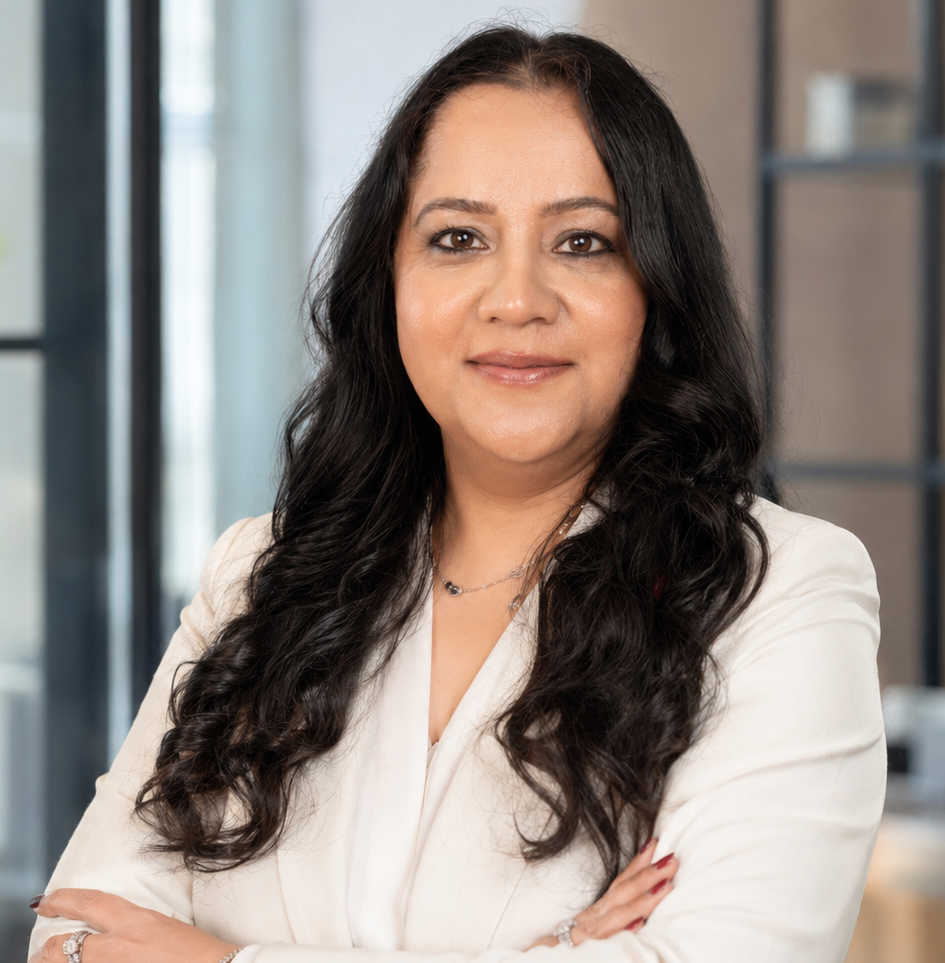
About Tamanna Singh
Tamanna Singh is an award-winning entrepreneur, women’s health advocate, and Founder & CEO of Menoveda, India’s first platform dedicated exclusively to menopause wellness. Inspired by her own perimenopause journey, she founded Menoveda to address the lack of awareness, credible guidance, and evidence-based care for women navigating midlife. Under her leadership, Menoveda has evolved into an integrated women’s health platform that combines Ayurveda with clinical research, personalized care, and digital health solutions, supporting more than 100,000 women and conducting one of India’s largest menopause-focused consumer studies. A third-time entrepreneur, President of India Awardee, Certified Menopause Coach, and TEDx speaker.
Vandana Iyer is Research Director at Frost & Sullivan, where she leads growth opportunity research across healthcare, life sciences, and biotechnology. With more than 17 years of experience, she advises organizations on technology due diligence, innovation strategy, scientific evaluation, and emerging healthcare trends. Drawing on a multidisciplinary background in bioinformatics, biotechnology, and life sciences, Vandana helps clients identify transformational growth opportunities while supporting innovation, strategic decision-making, and long-term business growth.
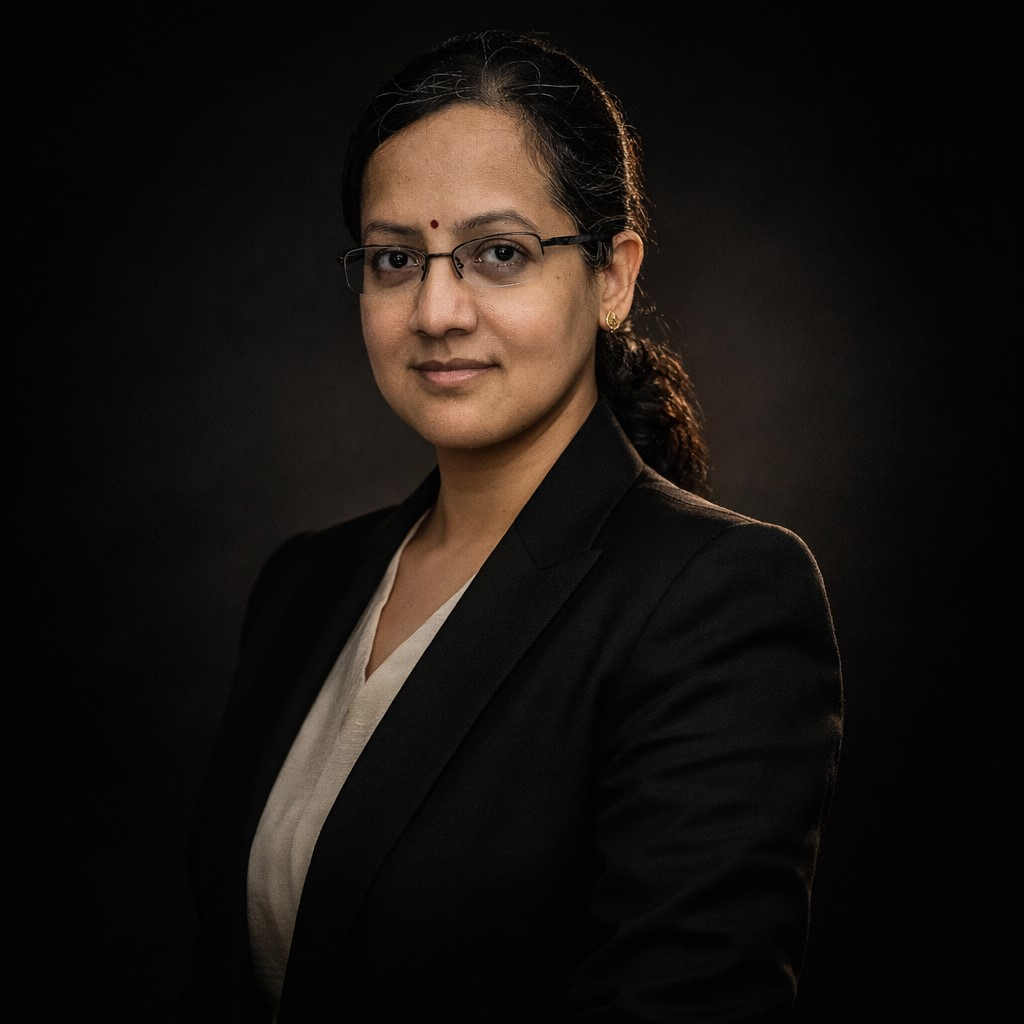
About Vandana Iyer
Ready to Lead the Transformation?
- Schedule a Growth Strategy Dialog: Align your growth roadmap with Frost & Sullivan’s Visionary Growth Pipeline™ Dialog.
- Engage with Growth Experts: Co-design AI-enabled, data-driven operating models that scale industry-specific and commercial impact.
- Showcase Your Transformational Leadership: Position your organization as a transformation leader through Frost & Sullivan’s Transformational Growth Leadership platform.
- Join the Growth Council: Collaborate with industry leaders shaping the future of your ecosystem.
- Explore Best Practices Recognition: Be recognized for excellence in growth strategy, execution, and customer impact.
- Benchmark Your Industry Positioning on the Frost Radar™: Benchmark your growth performance and innovation strength against industry competitors.
- Tell Your Story: Accelerate awareness, engagement, and revenue growth through integrated brand and demand generation strategies.
Appendix: Building the Future of the Connected Manufacturing Workforce
Frost & Sullivan delivers actionable intelligence that helps healthcare leaders, innovators, and policymakers identify emerging growth opportunities and accelerate transformational change across the women’s health ecosystem. Our expertise spans healthcare innovation, preventive care, digital health, longevity, life sciences, and emerging care models. To learn more about the latest growth opportunities, strategic imperatives, companies to action, and best practices shaping the future of women’s health, explore our portfolio of growth analyses
- Growth Opportunities in Microbiome Technologies in Consumer Wellness, 2026–2030
- Global Digital Health Solutions for Behavioral Health Management, Forecast to 2031
- Phytonutrients Market, Global, 2025–2032
- Navigating the Women’s Health Ingredients Market in the Nutraceutical Industry
- Healthy Aging Nutraceuticals, Global, 2025–2030